Buy deviled.com ?
We are moving the project
deviled.com .
Are you interested in purchasing the domain
deviled.com ?
domain@kv-gmbh.de · 0541-91531010
Buy deviled.com ?
Is tartaric acid halal?
Yes, tartaric acid is considered halal. It is a naturally occurring organic acid found in many fruits, including grapes. It is commonly used in food and beverages as an acidulant and flavoring agent. As long as it is derived from permissible sources and does not contain any haram (forbidden) ingredients, tartaric acid is considered halal for consumption. **
What is tartaric acid?
Tartaric acid is a naturally occurring organic acid found in many fruits, particularly in grapes. It is commonly used in the food and beverage industry as a flavoring agent, preservative, and acidity regulator. Tartaric acid is also used in the production of wine to control the acidity and pH levels, as well as to prevent crystallization of potassium bitartrate. Additionally, it is used in the pharmaceutical and cosmetic industries for various purposes. **

Similar search terms for Tartaric
Top-Angebote
Products related to Tartaric:
-
Mitchell Beazley Chetna’s Healthy Indian Vegetarian by Chetna Makan – Nutritious & Flavorful RecipesHealthy Indian Vegetarian is a celebration of Indian food at its best; fresh, vibrant and supremely moreish.Chetna Makan's bestselling cookbooks combine her creative flavour twists with a love of simple Indian home cooking. Taking inspiration from the eclectic mix of vegetarian and vegan dishes found in Indian cuisine, these tempting recipes celebrate plant-based food at its best - delicious, vibrant, varied and nutritious. Nothing complicated; just beautiful food for everyone - and so healthy that you can enjoy it every day.With over 80 delicious recipes that vegetarians and even the most dedicated of meat-eaters can enjoy. Chetna shows just how creative you can be with even the most humble of vegetables. This book is packed with flavour and innovative ideas whilst being easy and accessible for home cooks.Recipes include:Garlic and tamarind soupGram flour stuffed chilliesCheese and potato chapatti sandwichCourgette kofta curryBeetroot and sweet potato kormaMasala paneer8,90 £*Shipping: 2,99 £Secure redirect to the provider
-
Herbes del Molí Savory Essence Eco 10 CcHealth and Beauty First aid kit Herbes del Molí Savory Essence Eco 10 Cc Savory is a plant native to southern Europe. It likes calcareous soils and can be found at altitudes up to 1,600 meters. The Latin name of this plant refers to the satyrs of Greek mythology, creatures known for their sexual ardor. The plant is dedicated to Dionysus, aphrodisiac properties are attributed to it and it was one of the ingredients present in love potions. Its cultivation was prohibited in the gardens of the monasteries. Therapeutic properties: Powerful broad-spectrum antibacterial antiviral immune stimulant antifungal antiparasitic percutaneous analgesic General tonic and stimulant hypertensive rubefacient Aphrodisiac11,17 £*Shipping: 3,99 £Secure redirect to the provider
-
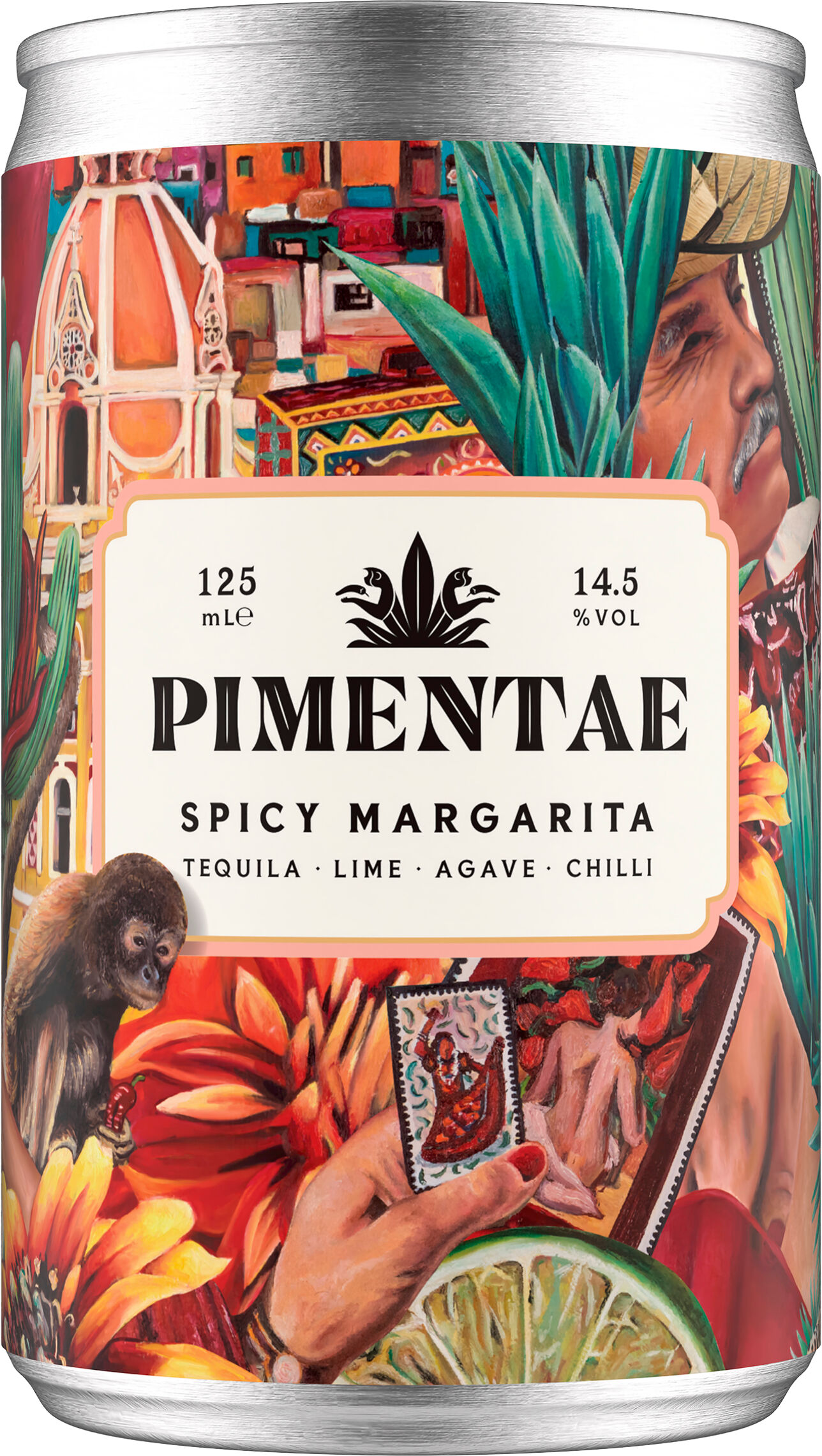
Pimentae Tommys Spicy Margarita 125mlThe perfect pocket-sized serve of our Spicy Margarita (tequila, lime, agave, chilli). 15% ABV 125ML. Our multi-award-winning Spicy Margarita blends Mexico's freshest flavours; tequila, lime, chilli and agave. The perfect balance of sweet and spicy. If you like panties, you'll love them!4,44 £*Shipping: 4,90 £Secure redirect to the provider


-
What is the difference between L-tartaric acid and D-tartaric acid?
L-tartaric acid and D-tartaric acid are mirror-image isomers of each other, known as enantiomers. The main difference between them is their spatial arrangement of atoms. L-tartaric acid has a left-handed configuration, while D-tartaric acid has a right-handed configuration. This difference in configuration gives them different properties, such as their ability to rotate plane-polarized light in opposite directions. Despite their differences, they have similar chemical and physical properties. **
-
Why is meso-tartaric acid optically inactive?
Meso-tartaric acid is optically inactive because it has a plane of symmetry that divides the molecule into two identical halves. This means that the two chiral centers in meso-ttartaric acid are arranged in such a way that the molecule is superimposable on its mirror image. As a result, the molecule does not rotate the plane of polarized light and is therefore optically inactive. **
-
How does the protolysis of tartaric acid (C4H6O6) occur?
The protolysis of tartaric acid occurs when it reacts with water to donate a proton (H+) to the water molecule, forming the conjugate base of tartaric acid and a hydronium ion (H3O+). This reaction can be represented as C4H6O6 + H2O → C4H5O6- + H3O+. The resulting conjugate base of tartaric acid is called tartrate ion (C4H5O6-), which is a weak base. **
-
What happens during the chemical reaction of tartaric acid and ethanol?
When tartaric acid and ethanol undergo a chemical reaction, they form an ester known as ethyl tartrate. This reaction is a condensation reaction, where a molecule of water is eliminated as the ester is formed. Ethyl tartrate is a colorless liquid with a fruity odor, and it is commonly used as a flavoring agent in the food and beverage industry. **

Why is the IUPAC name for tartaric acid and citric acid?
The IUPAC names for tartaric acid and citric acid are 2,3-dihydroxybutanedioic acid and 2-hydroxypropane-1,2,3-tricarboxylic acid, respectively. These names are used to provide a systematic and unique way to identify these organic compounds based on their chemical structure. The IUPAC names for these acids help to accurately describe the arrangement of atoms in their molecules, making it easier for scientists to communicate and work with these compounds in a precise manner. **
Why is the IUPAC nomenclature for tartaric acid and citric acid?
The IUPAC nomenclature for tartaric acid and citric acid is used to provide a systematic and standardized way to name these organic compounds based on their chemical structure. This helps to avoid confusion and ensure clear communication among scientists and researchers when referring to these specific acids. Additionally, the IUPAC nomenclature follows specific rules and conventions that help to accurately describe the molecular composition of these acids. **
Top-Angebote
Products related to Tartaric:
-
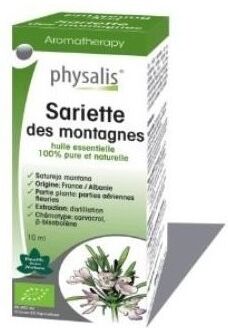
Physalis Savory Essence 10 mlNutrition and Supplements Natural Extracts Physalis Savory Essence 10 ml This general tonic is made with mountain chestnut and its main mission is to strengthen and increase the immunity of your body. Mountain Savory is a general tonic that increases and strengthens the body's natural immunity. Instructions for use: -Orally: Take 1 to 2 drops twice a day. Take diluted in 1 tablespoon of honey or as an infusion. -Skin: Massage, bath: Apply 1 to 2 drops per 10ml of vegetable oil. -Diffusion: Apply 5 to 10 drops according to preference or according to the size of the room.10,85 £*Shipping: 3,99 £Secure redirect to the provider
-
Pranarom Savory Essential Oil 5 mlHealth and Beauty Respiratory Care Pranarom Savory Essential Oil 5 ml Savory produces an essential oil that has been studied in detail at French universities for its anti-infective properties. It is essential in the fight against pathogens, although regular use should be limited due to its dermocaustic effect on sensitive skin. This perennial, short-stemmed, leafy plant is found on hills and low limestone mountains. Fields of application: - Breathing. - Urinary tract. Dosage: - 2 drops 3 times a day on a neutral support. (150 mg). Tips: - When traveling to tropical areas, take 1 drop of Savory EQT + 1 drop of Labrador Tea EQT + 1 drop of Peppermint EQT on a piece of bread morning and night. This synergy will prevent the spread of many infections. Precautions: - Keep out of reach of small children. - It is advisable to follow a varied and balanced diet and lead a healthy lifestyle. - Do not exceed the recommended dose. - Except under the advice of an expert, do not use during pregnancy, breastfeeding, or in children under 3 years of age. - Keep away from all sources of heat and light.11,29 £*Shipping: 3,99 £Secure redirect to the provider
-
Mitchell Beazley Chetna’s Healthy Indian Vegetarian by Chetna Makan – Nutritious & Flavorful RecipesHealthy Indian Vegetarian is a celebration of Indian food at its best; fresh, vibrant and supremely moreish.Chetna Makan's bestselling cookbooks combine her creative flavour twists with a love of simple Indian home cooking. Taking inspiration from the eclectic mix of vegetarian and vegan dishes found in Indian cuisine, these tempting recipes celebrate plant-based food at its best - delicious, vibrant, varied and nutritious. Nothing complicated; just beautiful food for everyone - and so healthy that you can enjoy it every day.With over 80 delicious recipes that vegetarians and even the most dedicated of meat-eaters can enjoy. Chetna shows just how creative you can be with even the most humble of vegetables. This book is packed with flavour and innovative ideas whilst being easy and accessible for home cooks.Recipes include:Garlic and tamarind soupGram flour stuffed chilliesCheese and potato chapatti sandwichCourgette kofta curryBeetroot and sweet potato kormaMasala paneer8,90 £*Shipping: 2,99 £Secure redirect to the provider
-
Is tartaric acid halal?
Yes, tartaric acid is considered halal. It is a naturally occurring organic acid found in many fruits, including grapes. It is commonly used in food and beverages as an acidulant and flavoring agent. As long as it is derived from permissible sources and does not contain any haram (forbidden) ingredients, tartaric acid is considered halal for consumption. **
-
What is tartaric acid?
Tartaric acid is a naturally occurring organic acid found in many fruits, particularly in grapes. It is commonly used in the food and beverage industry as a flavoring agent, preservative, and acidity regulator. Tartaric acid is also used in the production of wine to control the acidity and pH levels, as well as to prevent crystallization of potassium bitartrate. Additionally, it is used in the pharmaceutical and cosmetic industries for various purposes. **
-
What is the difference between L-tartaric acid and D-tartaric acid?
L-tartaric acid and D-tartaric acid are mirror-image isomers of each other, known as enantiomers. The main difference between them is their spatial arrangement of atoms. L-tartaric acid has a left-handed configuration, while D-tartaric acid has a right-handed configuration. This difference in configuration gives them different properties, such as their ability to rotate plane-polarized light in opposite directions. Despite their differences, they have similar chemical and physical properties. **
-
Why is meso-tartaric acid optically inactive?
Meso-tartaric acid is optically inactive because it has a plane of symmetry that divides the molecule into two identical halves. This means that the two chiral centers in meso-ttartaric acid are arranged in such a way that the molecule is superimposable on its mirror image. As a result, the molecule does not rotate the plane of polarized light and is therefore optically inactive. **
Similar search terms for Tartaric
-
Herbes del Molí Savory Essence Eco 10 CcHealth and Beauty First aid kit Herbes del Molí Savory Essence Eco 10 Cc Savory is a plant native to southern Europe. It likes calcareous soils and can be found at altitudes up to 1,600 meters. The Latin name of this plant refers to the satyrs of Greek mythology, creatures known for their sexual ardor. The plant is dedicated to Dionysus, aphrodisiac properties are attributed to it and it was one of the ingredients present in love potions. Its cultivation was prohibited in the gardens of the monasteries. Therapeutic properties: Powerful broad-spectrum antibacterial antiviral immune stimulant antifungal antiparasitic percutaneous analgesic General tonic and stimulant hypertensive rubefacient Aphrodisiac11,17 £*Shipping: 3,99 £Secure redirect to the provider
-
Pimentae Tommys Spicy Margarita 125mlThe perfect pocket-sized serve of our Spicy Margarita (tequila, lime, agave, chilli). 15% ABV 125ML. Our multi-award-winning Spicy Margarita blends Mexico's freshest flavours; tequila, lime, chilli and agave. The perfect balance of sweet and spicy. If you like panties, you'll love them!4,44 £*Shipping: 4,90 £Secure redirect to the provider
-
Herdez Spicy Chipotle Cremoso 240gThis is a creamy chipotle chilli sauce made by Herdez. It has a bit of smoky flavour and a smooth, creamy texture that makes your meat dishes even better. Even without grilling, it gives a hint of a creamy grill taste.4,25 £*Shipping: 3,90 £Secure redirect to the provider
-
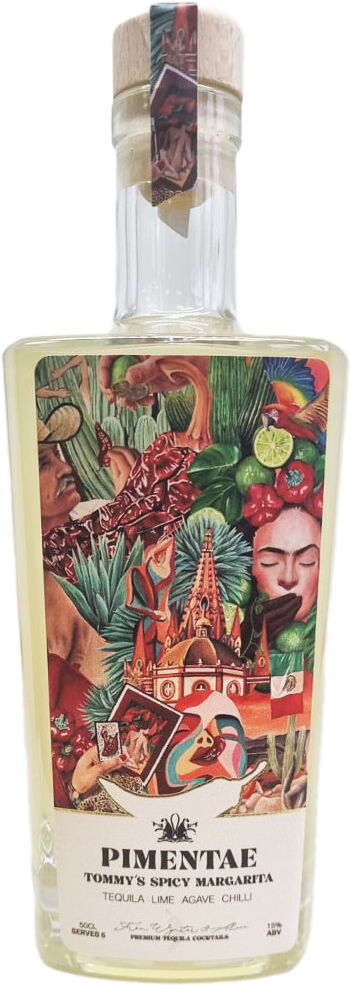
Pimentae Tommys Spicy Margarita 500mlA fiery twist on the classic Margarita (tequila, lime, chilli, agave). 15% ABV 50cl (5 serves). This service blends the best of Mexico's natural, fresh flavours. Our multi-award-winning Spicy Margarita blends tequila, lime, chilli and agave for the perfect balance of sweet and spicy. If you like panties, you'll love this!27,42 £*Shipping: 6,49 £Secure redirect to the provider
-
How does the protolysis of tartaric acid (C4H6O6) occur?
The protolysis of tartaric acid occurs when it reacts with water to donate a proton (H+) to the water molecule, forming the conjugate base of tartaric acid and a hydronium ion (H3O+). This reaction can be represented as C4H6O6 + H2O → C4H5O6- + H3O+. The resulting conjugate base of tartaric acid is called tartrate ion (C4H5O6-), which is a weak base. **
-
What happens during the chemical reaction of tartaric acid and ethanol?
When tartaric acid and ethanol undergo a chemical reaction, they form an ester known as ethyl tartrate. This reaction is a condensation reaction, where a molecule of water is eliminated as the ester is formed. Ethyl tartrate is a colorless liquid with a fruity odor, and it is commonly used as a flavoring agent in the food and beverage industry. **
-
Why is the IUPAC name for tartaric acid and citric acid?
The IUPAC names for tartaric acid and citric acid are 2,3-dihydroxybutanedioic acid and 2-hydroxypropane-1,2,3-tricarboxylic acid, respectively. These names are used to provide a systematic and unique way to identify these organic compounds based on their chemical structure. The IUPAC names for these acids help to accurately describe the arrangement of atoms in their molecules, making it easier for scientists to communicate and work with these compounds in a precise manner. **
-
Why is the IUPAC nomenclature for tartaric acid and citric acid?
The IUPAC nomenclature for tartaric acid and citric acid is used to provide a systematic and standardized way to name these organic compounds based on their chemical structure. This helps to avoid confusion and ensure clear communication among scientists and researchers when referring to these specific acids. Additionally, the IUPAC nomenclature follows specific rules and conventions that help to accurately describe the molecular composition of these acids. **
* All prices are inclusive of VAT and, if applicable, plus shipping costs. The offer information is based on the details provided by the respective shop and is updated through automated processes. Real-time updates do not occur, so deviations can occur in individual cases. ** Note: Parts of this content were created by AI.