Buy deviled.com ?
We are moving the project
deviled.com .
Are you interested in purchasing the domain
deviled.com ?
domain@kv-gmbh.de · 0541-91531010
Buy deviled.com ?
Is astrology scientifically proven?
Astrology is not scientifically proven. While it has been practiced for centuries and is based on the belief that the positions and movements of celestial bodies can influence human behavior and events, there is no scientific evidence to support these claims. Astrology is considered a pseudoscience, as it does not adhere to the scientific method and cannot be tested or proven through empirical evidence. Therefore, it is important to approach astrology with skepticism and critical thinking. **
Is consciousness scientifically explainable?
Consciousness is a complex and multifaceted phenomenon that is still not fully understood by science. While there have been advances in neuroscience and cognitive psychology that have shed light on the mechanisms underlying consciousness, there is still much debate and controversy surrounding its scientific explanation. Some researchers argue that consciousness can be explained through the study of brain activity and neural networks, while others believe that it may involve aspects that are beyond the scope of current scientific understanding. Ultimately, the question of whether consciousness is scientifically explainable remains a topic of ongoing research and philosophical inquiry. **


Similar search terms for Scientifically
Top-Angebote
Products related to Scientifically:
-
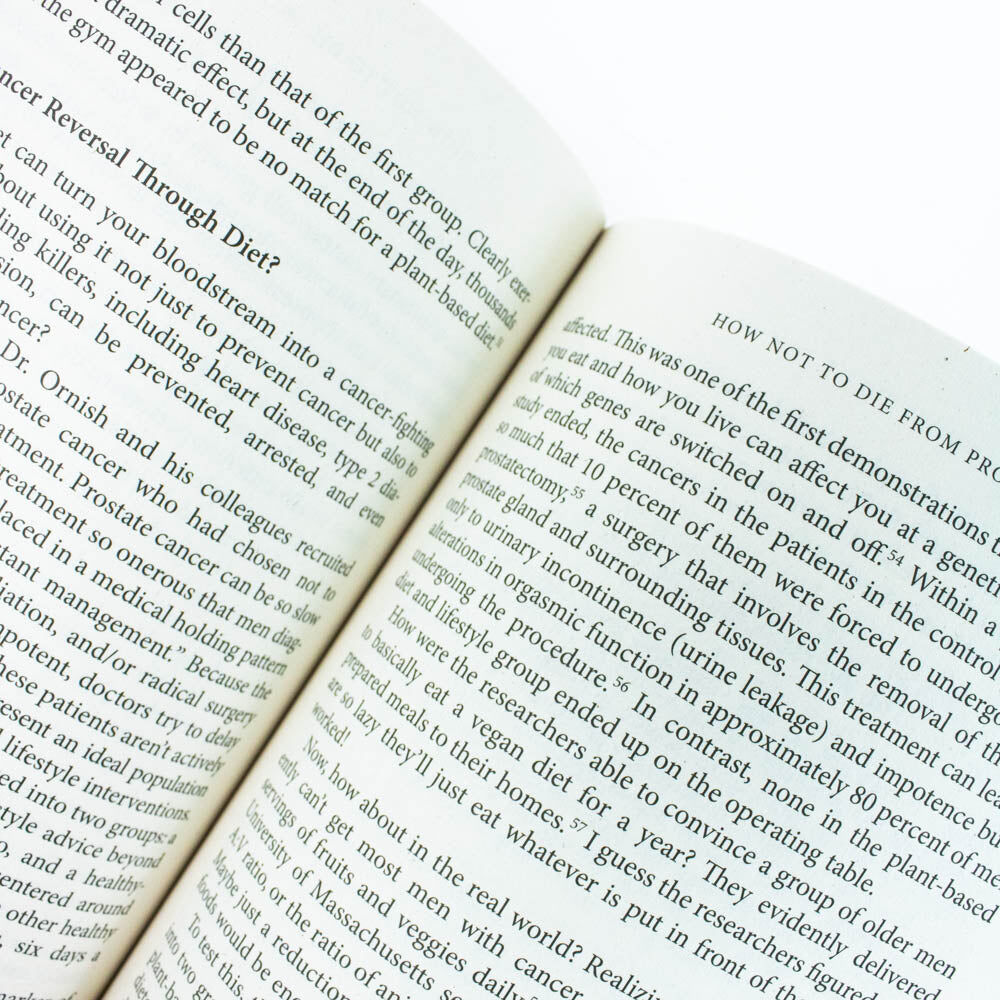
Pan Macmillan How Not to Die: Discover the Foods Scientifically Proven to Prevent and Reverse DiseaseWhy rely on drugs and surgery to cure you of life-threatening disease when the right decisions can prevent you from falling ill to begin with?How Not To Die gives effective, scientifically-proven nutritional advice to prevent our biggest killers - including heart disease, breast cancer, prostate cancer, high blood pressure and diabetes - and reveals the astounding health benefits that simple dietary choices can provide. Based on the latest scientific research, the internationally bestselling How Not To Die examines each of the most common diseases to reveal what, how and why different foods affect us, and how increasing our consumption of certain foods and avoiding others can dramatically reduce our risk of falling sick and even reverse the effects of disease. It also shares Dr Greger's 'Daily Dozen' - the twelve foods we should all eat every day to stay in the best of health. With emphasis on individual family health history and acknowledging that everyone needs something different, Dr Michael Greger offers practical dietary advice to help you live longer, healthier lives.7,95 £*Shipping: 2,99 £Secure redirect to the provider
-
How Not to Die: Foods Scientifically Proven to Prevent and Reverse Disease by Michael Greger - Non Fiction - PaperbackTitle:. How Not to Die: Discover the Foods Scientifically Proven to Prevent and Reverse Disease Condition: BRAND NEW. Format: Paperback. ISBN: 9781509852505 Overview:. How Not to Die is more than a health book; it’s a practical, evidence-based roadmap to living longer through everyday food choices. Praised by the Daily Mail as an international bestseller and endorsed by His Holiness the Dalai Lama, Dr. Michael Greger distills decades of peer-reviewed science into clear, actionable guidance. The book surveys the biggest threats to health—from heart disease to cancer, diabetes to neurodegenerative conditions—and explains how your diet can influence risk at every stage. Each chapter links specific foods to disease outcomes, illustrating how plant‑based, minimally processed foods can support cardiovascular health, cancer prevention, and metabolic balance. Alongside the scientific rationale, Greger introduces the Daily Dozen—the twelve daily servings that readers are encouraged to incorporate into meals every day. This is not a diet fad; it’s a sustainable, compassionate approach to nourishment that fits real life, helps families eat well, and provides a credible plan to prevent illness and, in many cases, reverse early symptoms through nutrition. What Makes This Book Stand Out:. What makes How Not to Die distinctive is its fusion of rigorous science with practical cooking implications. Greger’s presentation is patient, meticulous, and relentlessly practical: each disease-focused chapter translates research into concrete food choices, portions, and meal ideas. The Daily Dozen is a memorable, repeatable framework that empowers readers to build daily routines around nutrient-dense foods—greens, berries, beans, and a spectrum of legumes and whole grains—without feeling overwhelmed. The book makes complex science approachable, helping readers understand not just what to eat, but why certain foods impact health on cellular and systemic levels. It’s a resource designed to inspire confident decisions in the grocery aisle, kitchen, and family meal planning, delivering measurable benefits over time. Who This Book Is Perfect For:. This book is ideal for health‑minders seeking evidence-based dietary strategies to prevent disease, families looking to improve everyday eating habits, and anyone curious about how food can influence long-term wellness. It resonates with readers who want clear, executable steps rather than vague advice—especially those focused on heart health, cancer prevention, diabetes management, and general longevity. It’s equally valuable for vegetarians, vegans, and omnivores who want to align their meals with science-backed principles. Whether you’re cooking for one or seeking family-friendly, budget‑conscious ideas, How Not to Die provides a credible, doable pathway to healthier living. Key Highlights:. Evidence-based nutrition presented in accessible, daily-life terms. Daily Dozen – twelve foods to eat every day for vitality. Disease-specific...2,99 £*Shipping: 2,99 £Secure redirect to the provider
-
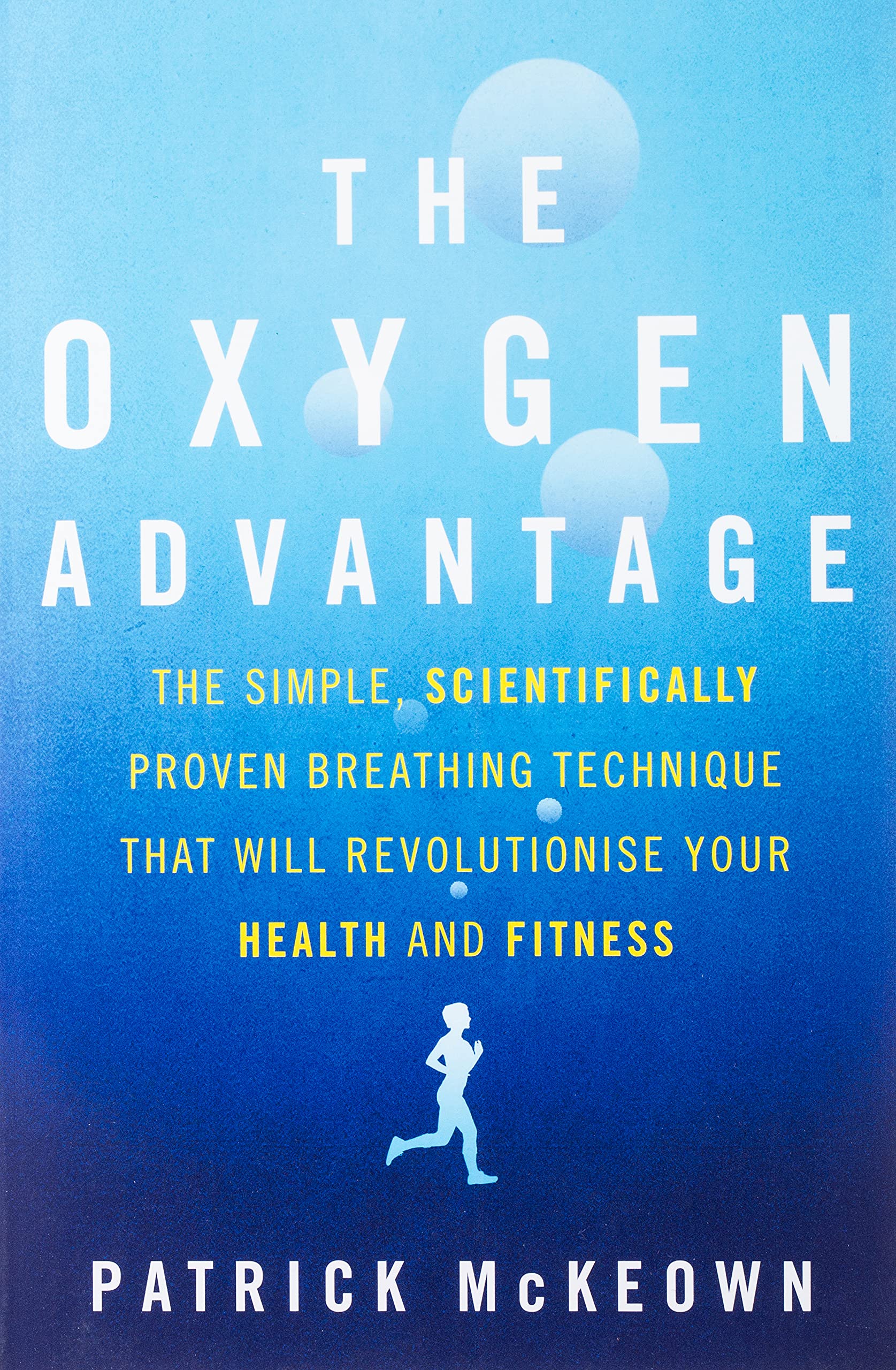
Piatkus The Oxygen Advantage by Patrick McKeown - Paperback - Scientifically Proven Breathing Technique for Health, Fitness & Sports Performance - New BookDiscover how to breathe your way to better fitness, health, and wellbeing with The Oxygen Advantage. This scientifically proven guide by Patrick McKeown reveals how your breathing habits can impact your physical performance and long-term health. Combining exercises with high-altitude training techniques, this practical book offers a simple, step-by-step programme suitable for both beginners and elite athletes. Whether you want to improve your running, sleep better, reduce anxiety, or simply breathe easier, this book provides real, measurable results. Patrick McKeown, a Buteyko practitioner and breathing coach, draws on his years of experience to help you unlock the full potential of your breathing. This paperback is published by Piatkus and is suitable for adult readers.6,99 £*Shipping: 2,99 £Secure redirect to the provider
-
Roz Shafran , Overcoming Perfectionism 2nd Edition: A self-help guide using scientifically supported cognitive behavioural techniques (Overcoming Books) by Roz ShafDescription. How to break the circle of 'never good enough'. Striving for something can be a healthy and positive attribute; it's good to aim high. But sometimes whatever we do just isn't good enough; we want to be too perfect and start setting unrealistic goals.. Such high levels of perfectionism, often driven by low self-esteem, can turn against success and develop into unhealthy obsession, triggering serious mental-health problems, such as anxiety, depression and eating disorders. Cognitive behavioural therapy (CBT), on which this self-help book is based, has been found to be a highly effective treatment and provides relief from that disabling sense of not being good enough.. In this essential self-help guide, you will learn:. - How clinical perfectionism manifests itself. - Effective coping strategies with invaluable guidance on how to avoid future relapse. OVERCOMING self-help guides use clinically-proven techniques to treat long-standing and disabling conditions, both psychological and physical. Many guides in the Overcoming series are recommended under the Reading Well Books on Prescription scheme.. Series Editor: Professor Peter Cooper. Title. Overcoming Perfectionism 2nd Edition: A self-help guide using scientifically supported cognitive behavioural techniques (Overcoming Books) by Roz Shafran ,. Delivery. Content. Reviews6,62 £*Shipping: 2,99 £Secure redirect to the provider


-
Is morality scientifically explainable?
Morality is a complex concept that is influenced by a variety of factors, including cultural, social, and psychological elements. While scientific research can provide insights into the origins and development of moral beliefs and behaviors, it may not be able to fully explain the subjective and value-laden nature of morality. Additionally, moral judgments often involve emotions, intuitions, and personal experiences that may not be easily captured or explained by scientific methods alone. Therefore, while science can contribute to our understanding of morality, it may not be able to provide a complete and definitive explanation. **
-
How is intuition scientifically explained?
Intuition is scientifically explained as a rapid, unconscious processing of information based on previous experiences and knowledge. It is thought to be the result of the brain's ability to quickly recognize patterns and make connections without conscious awareness. This process is believed to be influenced by both emotional and cognitive factors, allowing individuals to make quick decisions or judgments based on their gut feelings. Research in neuroscience has shown that intuition involves the activation of certain brain regions, such as the insula and the anterior cingulate cortex, which are associated with emotional processing and decision-making. **
-
Is the technology scientifically proven?
Yes, the technology is scientifically proven. It has undergone rigorous testing and research to demonstrate its effectiveness and safety. Numerous studies and clinical trials have been conducted to validate the technology's ability to achieve its intended outcomes. Additionally, the technology may have been approved or cleared by regulatory agencies based on scientific evidence of its efficacy and safety. **
-
What happens scientifically after death?
After death, the body undergoes a process called decomposition. This involves the breakdown of tissues and cells by bacteria and enzymes, leading to the release of gases and the eventual disintegration of the body. The brain ceases to function, leading to the cessation of all bodily functions. Over time, the body returns to its basic elements and becomes part of the natural cycle of life and death. **


Can consciousness be explained scientifically?
Consciousness is a complex and multifaceted phenomenon that has been a subject of philosophical and scientific inquiry for centuries. While there have been significant advancements in understanding the neural correlates of consciousness, a complete scientific explanation of consciousness remains elusive. Some researchers argue that consciousness can eventually be explained scientifically through the study of brain activity and neural processes, while others believe that consciousness may be inherently subjective and resistant to full scientific explanation. Ultimately, the nature of consciousness and whether it can be fully explained scientifically is still a topic of ongoing debate and exploration in the scientific community. **
Has shifting been scientifically confirmed?
Yes, the concept of shifting has not been scientifically confirmed. Shifting is often described as a form of lucid dreaming or a meditative state where individuals believe they can enter a different reality or dimension. While some people claim to have experienced shifting, there is no scientific evidence to support the existence of alternate realities or the ability to physically shift between them. **
Top-Angebote
Products related to Scientifically:
-
Pan Macmillan How Not to Die: Discover the Foods Scientifically Proven to Prevent and Reverse DiseaseWhy rely on drugs and surgery to cure you of life-threatening disease when the right decisions can prevent you from falling ill to begin with?How Not To Die gives effective, scientifically-proven nutritional advice to prevent our biggest killers - including heart disease, breast cancer, prostate cancer, high blood pressure and diabetes - and reveals the astounding health benefits that simple dietary choices can provide. Based on the latest scientific research, the internationally bestselling How Not To Die examines each of the most common diseases to reveal what, how and why different foods affect us, and how increasing our consumption of certain foods and avoiding others can dramatically reduce our risk of falling sick and even reverse the effects of disease. It also shares Dr Greger's 'Daily Dozen' - the twelve foods we should all eat every day to stay in the best of health. With emphasis on individual family health history and acknowledging that everyone needs something different, Dr Michael Greger offers practical dietary advice to help you live longer, healthier lives.7,95 £*Shipping: 2,99 £Secure redirect to the provider
-
How Not to Die: Foods Scientifically Proven to Prevent and Reverse Disease by Michael Greger - Non Fiction - PaperbackTitle:. How Not to Die: Discover the Foods Scientifically Proven to Prevent and Reverse Disease Condition: BRAND NEW. Format: Paperback. ISBN: 9781509852505 Overview:. How Not to Die is more than a health book; it’s a practical, evidence-based roadmap to living longer through everyday food choices. Praised by the Daily Mail as an international bestseller and endorsed by His Holiness the Dalai Lama, Dr. Michael Greger distills decades of peer-reviewed science into clear, actionable guidance. The book surveys the biggest threats to health—from heart disease to cancer, diabetes to neurodegenerative conditions—and explains how your diet can influence risk at every stage. Each chapter links specific foods to disease outcomes, illustrating how plant‑based, minimally processed foods can support cardiovascular health, cancer prevention, and metabolic balance. Alongside the scientific rationale, Greger introduces the Daily Dozen—the twelve daily servings that readers are encouraged to incorporate into meals every day. This is not a diet fad; it’s a sustainable, compassionate approach to nourishment that fits real life, helps families eat well, and provides a credible plan to prevent illness and, in many cases, reverse early symptoms through nutrition. What Makes This Book Stand Out:. What makes How Not to Die distinctive is its fusion of rigorous science with practical cooking implications. Greger’s presentation is patient, meticulous, and relentlessly practical: each disease-focused chapter translates research into concrete food choices, portions, and meal ideas. The Daily Dozen is a memorable, repeatable framework that empowers readers to build daily routines around nutrient-dense foods—greens, berries, beans, and a spectrum of legumes and whole grains—without feeling overwhelmed. The book makes complex science approachable, helping readers understand not just what to eat, but why certain foods impact health on cellular and systemic levels. It’s a resource designed to inspire confident decisions in the grocery aisle, kitchen, and family meal planning, delivering measurable benefits over time. Who This Book Is Perfect For:. This book is ideal for health‑minders seeking evidence-based dietary strategies to prevent disease, families looking to improve everyday eating habits, and anyone curious about how food can influence long-term wellness. It resonates with readers who want clear, executable steps rather than vague advice—especially those focused on heart health, cancer prevention, diabetes management, and general longevity. It’s equally valuable for vegetarians, vegans, and omnivores who want to align their meals with science-backed principles. Whether you’re cooking for one or seeking family-friendly, budget‑conscious ideas, How Not to Die provides a credible, doable pathway to healthier living. Key Highlights:. Evidence-based nutrition presented in accessible, daily-life terms. Daily Dozen – twelve foods to eat every day for vitality. Disease-specific...2,99 £*Shipping: 2,99 £Secure redirect to the provider
-
Is astrology scientifically proven?
Astrology is not scientifically proven. While it has been practiced for centuries and is based on the belief that the positions and movements of celestial bodies can influence human behavior and events, there is no scientific evidence to support these claims. Astrology is considered a pseudoscience, as it does not adhere to the scientific method and cannot be tested or proven through empirical evidence. Therefore, it is important to approach astrology with skepticism and critical thinking. **
-
Is consciousness scientifically explainable?
Consciousness is a complex and multifaceted phenomenon that is still not fully understood by science. While there have been advances in neuroscience and cognitive psychology that have shed light on the mechanisms underlying consciousness, there is still much debate and controversy surrounding its scientific explanation. Some researchers argue that consciousness can be explained through the study of brain activity and neural networks, while others believe that it may involve aspects that are beyond the scope of current scientific understanding. Ultimately, the question of whether consciousness is scientifically explainable remains a topic of ongoing research and philosophical inquiry. **
-
Is morality scientifically explainable?
Morality is a complex concept that is influenced by a variety of factors, including cultural, social, and psychological elements. While scientific research can provide insights into the origins and development of moral beliefs and behaviors, it may not be able to fully explain the subjective and value-laden nature of morality. Additionally, moral judgments often involve emotions, intuitions, and personal experiences that may not be easily captured or explained by scientific methods alone. Therefore, while science can contribute to our understanding of morality, it may not be able to provide a complete and definitive explanation. **
-
How is intuition scientifically explained?
Intuition is scientifically explained as a rapid, unconscious processing of information based on previous experiences and knowledge. It is thought to be the result of the brain's ability to quickly recognize patterns and make connections without conscious awareness. This process is believed to be influenced by both emotional and cognitive factors, allowing individuals to make quick decisions or judgments based on their gut feelings. Research in neuroscience has shown that intuition involves the activation of certain brain regions, such as the insula and the anterior cingulate cortex, which are associated with emotional processing and decision-making. **
Similar search terms for Scientifically
-
Piatkus The Oxygen Advantage by Patrick McKeown - Paperback - Scientifically Proven Breathing Technique for Health, Fitness & Sports Performance - New BookDiscover how to breathe your way to better fitness, health, and wellbeing with The Oxygen Advantage. This scientifically proven guide by Patrick McKeown reveals how your breathing habits can impact your physical performance and long-term health. Combining exercises with high-altitude training techniques, this practical book offers a simple, step-by-step programme suitable for both beginners and elite athletes. Whether you want to improve your running, sleep better, reduce anxiety, or simply breathe easier, this book provides real, measurable results. Patrick McKeown, a Buteyko practitioner and breathing coach, draws on his years of experience to help you unlock the full potential of your breathing. This paperback is published by Piatkus and is suitable for adult readers.6,99 £*Shipping: 2,99 £Secure redirect to the provider
-
Roz Shafran , Overcoming Perfectionism 2nd Edition: A self-help guide using scientifically supported cognitive behavioural techniques (Overcoming Books) by Roz ShafDescription. How to break the circle of 'never good enough'. Striving for something can be a healthy and positive attribute; it's good to aim high. But sometimes whatever we do just isn't good enough; we want to be too perfect and start setting unrealistic goals.. Such high levels of perfectionism, often driven by low self-esteem, can turn against success and develop into unhealthy obsession, triggering serious mental-health problems, such as anxiety, depression and eating disorders. Cognitive behavioural therapy (CBT), on which this self-help book is based, has been found to be a highly effective treatment and provides relief from that disabling sense of not being good enough.. In this essential self-help guide, you will learn:. - How clinical perfectionism manifests itself. - Effective coping strategies with invaluable guidance on how to avoid future relapse. OVERCOMING self-help guides use clinically-proven techniques to treat long-standing and disabling conditions, both psychological and physical. Many guides in the Overcoming series are recommended under the Reading Well Books on Prescription scheme.. Series Editor: Professor Peter Cooper. Title. Overcoming Perfectionism 2nd Edition: A self-help guide using scientifically supported cognitive behavioural techniques (Overcoming Books) by Roz Shafran ,. Delivery. Content. Reviews6,62 £*Shipping: 2,99 £Secure redirect to the provider
-
Terpenic Lab Savory Essential Oil 30 ml 30 mlHealth and Beauty Respiratory Care Terpenic Lab Savory Essential Oil 30 ml 30 ml Properties: Antiseptic, Stimulating Tonic, Immunostimulant, Spasmolytic. Savory belongs to the Lamiaceae family. It is a shrub that can reach 50cm in height, and grows in almost the entire Iberian Peninsula, especially in areas with calcareous soils. The leaves are small, and the white, pink or violet flowers are arranged in clusters. Since ancient times, savory has been used in culinary art and as a digestive remedy, especially for colic and diarrhea. The essential oil is obtained by steam distillation of the flowering tops. Indications: Respiratory infections, Intestinal infections, Cystitis, Mycosis, Fatigue Aromatic Family: Herbal. Combines with: Hyssop, Sage Spain, Eucalyptus Citriodora. Precautions: Do not use during pregnancy or in children under 6 years of age. Topical and food use.Oral use with medical prescription.Do not use undiluted (3 drops of AE/5 drops of hazelnut or sesame vegetable oil).May irritate sensitive skin (dermocaustic).44,88 £*Shipping: 3,99 £Secure redirect to the provider
-
Tasty & Iota Tasty Every Day Hardback, Tasty & Healthy 2 Books Collection Set - Non Fiction - Mixed FormatTitles in This Set:. Tasty Every Day. Tasty & Healthy Condition: BRAND NEW. Format: Mixed lot Overview:. This stylish two-book collection brings together fast, flavorful cooking with healthier twists for the modern home. Tasty Every Day (Hardcover) offers 75 mouth-watering dishes designed to slot seamlessly into busy lives, delivering impressive results with minimal fuss. Its chapters—One Pan, Slow and Multipurpose Cookers, 5 Ingredients (or fewer), 20 Minutes (or fewer), Better Than Takeout, No-Cook, Bowls, On The Go and Noshes—are engineered to save time, reduce cleanup, and boost confidence in the kitchen. Each recipe emphasises practical techniques and pantry-friendly ingredients, so you can pull off restaurant-worthy dinners without a long shopping list or marathon prep. Paired with Tasty & Healthy, this set gives a complementary balance: indulgent flavour at home alongside lighter, takeout-inspired alternatives. Together, these books celebrate delicious cooking that fits real life, making weeknights brighter and weekends even more satisfying. A stylish, gift-ready duo, ideal for food lovers who want more flavour, less hassle, and everyday triumphs in the kitchen. What Makes This Collection Special:. This is more than two cookbooks; it’s a purposeful pairing that maps a complete week-night kitchen journey. Tasty Every Day anchors readers in dependable, speed-focused techniques and crowd-pleasing staples, while Tasty & Healthy opens the door to guilt-free versions of their favourite takeout and fast-food favourites. The shared voice, clear layouts and practical tips create a cohesive reading and cooking experience—perfect for fans who enjoy a reliable recipe rhythm and a sense of progress from week to week. The set appeals to households balancing busy schedules with a desire for bold flavours, as well as gift buyers seeking a thoughtful, long-lasting kitchen gift that rewards repeat use and confident experimentation. Books Included in This Collection:. Tasty Every Day. Tasty Every Day compiles 75 recipes designed for speed and practicality without compromising taste. The book focuses on approachable methods, such as one-pan meals and small-ingredient meals, that maximise flavour while minimising cleanup. With sections that prioritise under-20-minute meals and versatile, everyday ingredients, it helps cooks build confidence and routine in the kitchen. The tone remains upbeat and encouraging, guiding readers to experiment within familiar favourites and discover new weeknight staples that feel special yet effortless. Tasty & Healthy. Tasty & Healthy offers over 70 healthier twists of popular takeaway dishes, translated into at-home meals that are lower in fat and calories yet big on taste. It covers a wide range of cuisines—from Chinese and Indian to Thai, pizza, burgers and kebabs—providing lighter, simpler alternatives to their beloved comfort-food picks. The emphasis is on staying true to flavour while adopting smarter cooking choices, making...18,99 £*Shipping: 2,99 £Secure redirect to the provider
-
Is the technology scientifically proven?
Yes, the technology is scientifically proven. It has undergone rigorous testing and research to demonstrate its effectiveness and safety. Numerous studies and clinical trials have been conducted to validate the technology's ability to achieve its intended outcomes. Additionally, the technology may have been approved or cleared by regulatory agencies based on scientific evidence of its efficacy and safety. **
-
What happens scientifically after death?
After death, the body undergoes a process called decomposition. This involves the breakdown of tissues and cells by bacteria and enzymes, leading to the release of gases and the eventual disintegration of the body. The brain ceases to function, leading to the cessation of all bodily functions. Over time, the body returns to its basic elements and becomes part of the natural cycle of life and death. **
-
Can consciousness be explained scientifically?
Consciousness is a complex and multifaceted phenomenon that has been a subject of philosophical and scientific inquiry for centuries. While there have been significant advancements in understanding the neural correlates of consciousness, a complete scientific explanation of consciousness remains elusive. Some researchers argue that consciousness can eventually be explained scientifically through the study of brain activity and neural processes, while others believe that consciousness may be inherently subjective and resistant to full scientific explanation. Ultimately, the nature of consciousness and whether it can be fully explained scientifically is still a topic of ongoing debate and exploration in the scientific community. **
-
Has shifting been scientifically confirmed?
Yes, the concept of shifting has not been scientifically confirmed. Shifting is often described as a form of lucid dreaming or a meditative state where individuals believe they can enter a different reality or dimension. While some people claim to have experienced shifting, there is no scientific evidence to support the existence of alternate realities or the ability to physically shift between them. **
* All prices are inclusive of VAT and, if applicable, plus shipping costs. The offer information is based on the details provided by the respective shop and is updated through automated processes. Real-time updates do not occur, so deviations can occur in individual cases. ** Note: Parts of this content were created by AI.