Buy deviled.com ?
We are moving the project
deviled.com .
Are you interested in purchasing the domain
deviled.com ?
domain@kv-gmbh.de · 0541-91531010
Buy deviled.com ?
Is suspension polymerization a radical polymerization?
Yes, suspension polymerization is a type of radical polymerization. In suspension polymerization, monomers are dispersed in a liquid phase and polymerization is initiated by free radicals. These free radicals are typically generated through the use of initiators, such as peroxides, which break down to form reactive species that initiate the polymerization process. The formation of polymer chains through the addition of monomers to these radicals is a characteristic feature of radical polymerization. **
What is the difference between polymerization and radical polymerization?
Polymerization is the process of combining small molecules (monomers) to form a large molecule (polymer). Radical polymerization is a type of polymerization that involves the use of free radicals to initiate the polymerization reaction. The main difference between polymerization and radical polymerization is the mechanism of initiation. In polymerization, the reaction can be initiated by various methods such as heat, light, or a catalyst, while radical polymerization specifically involves the use of free radicals to start the reaction. Radical polymerization is often used to produce polymers with specific properties, such as high flexibility or toughness. **


Similar search terms for Polymerization
Top-Angebote
Products related to Polymerization:
-
Victorinox Swiss Army Knife Classic SD Tasty GrapeFor over a century, the Victorinox Swiss Army Knife Classic SD has been a symbol of sleek functionality. This Tasty Grape version brings it up to date. It’s the simplest lifelong commitment you'll ever make. Tools: Blade, small / Keyring / Nail file / Scissors / Screwdriver 2.5mm / Toothpick / Tweezers Dimensions: 0.9(H) x 5.8(L) x 1.8(W) cm. Weight: 0.021kg. The Victorinox Swiss Army Knife Classic SD Tasty Grape is covered by a Victorinox lifetime warranty. Knives are not for sale to persons under the age of 18. - all knives and bladed products are delivered by Age Verified Delivery (AVD). The carrier may request proof of age in order to deliver your parcel. If proof of age is not available, or the recipient is underage, the carrier will refuse to deliver.24,95 £*Shipping: 3,50 £Secure redirect to the provider
-
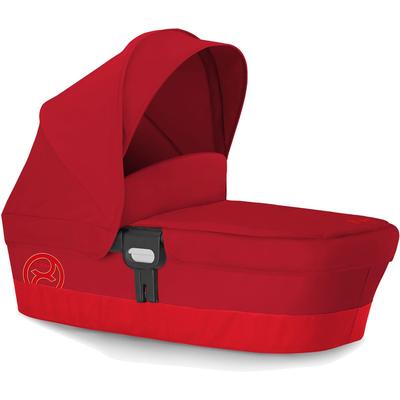
Cybex Carrycot M - Hot & SpicyThe CYBEX Carry Cot M is lightweight without compromising on comfort. A comfortable, extra wide mattress ensures an ergonomically correct and comfortable lying position. The integrated XXL sun canopy protects with UVP50+ from sun, wind and rain. The...169,95 $*Shipping: 0,00 $Secure redirect to the provider
-
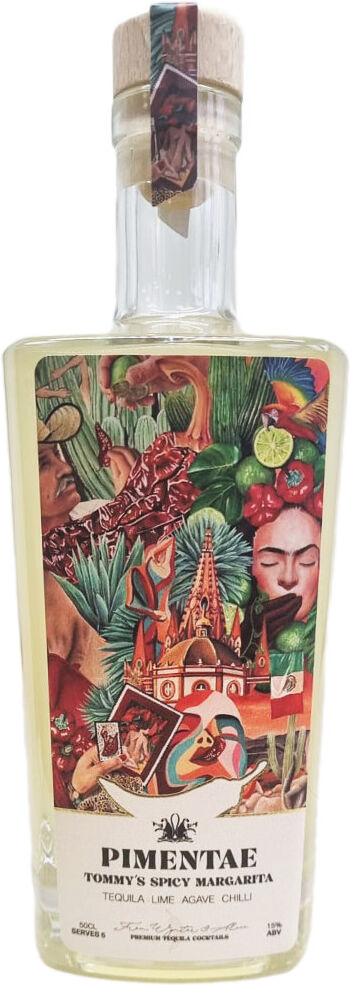
Pimentae Tommys Spicy Margarita 500mlA fiery twist on the classic Margarita (tequila, lime, chilli, agave). 15% ABV 50cl (5 serves). This service blends the best of Mexico's natural, fresh flavours. Our multi-award-winning Spicy Margarita blends tequila, lime, chilli and agave for the perfect balance of sweet and spicy. If you like panties, you'll love this!27,42 £*Shipping: 6,49 £Secure redirect to the provider
-
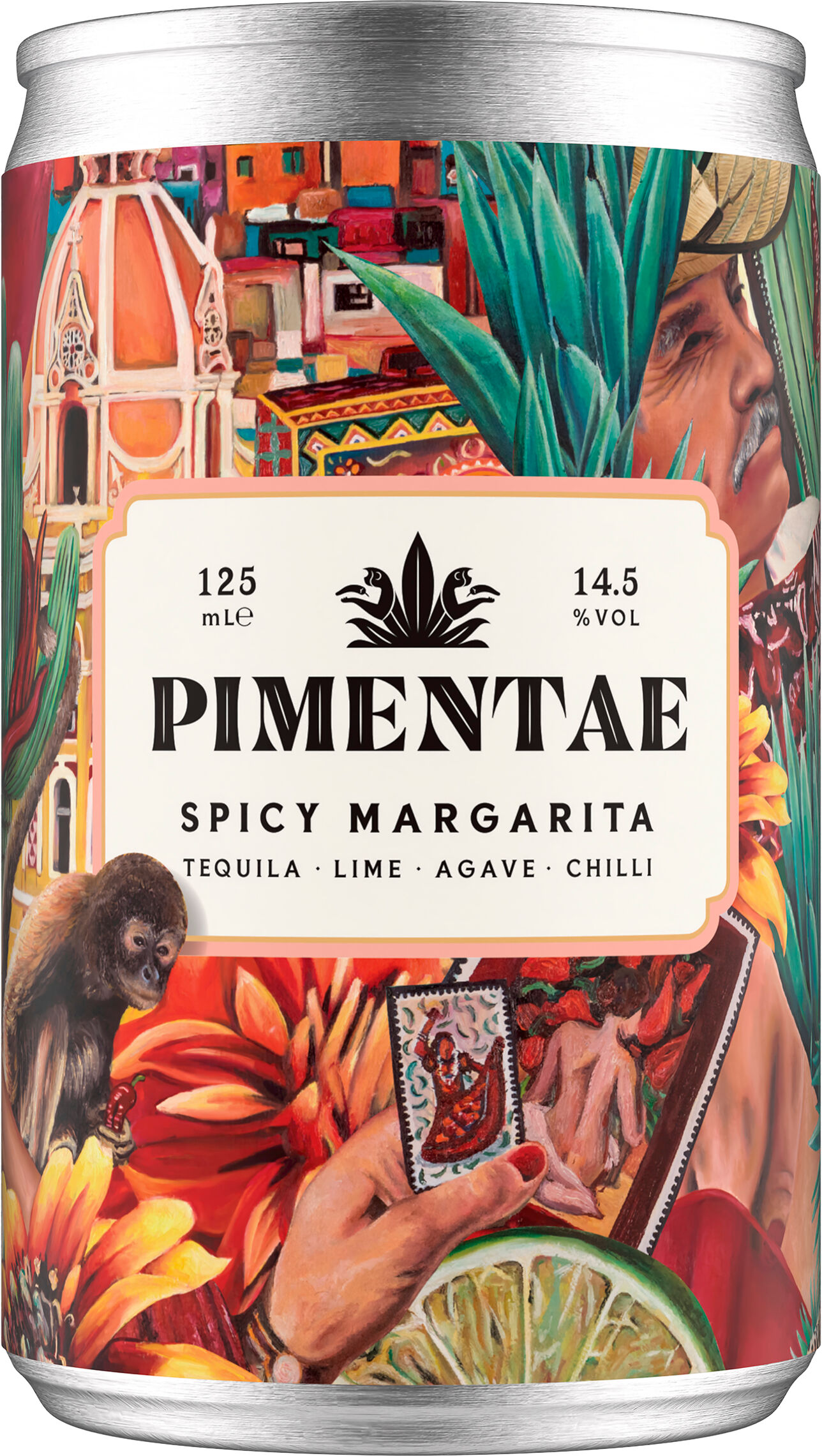
Pimentae Tommys Spicy Margarita 125mlThe perfect pocket-sized serve of our Spicy Margarita (tequila, lime, agave, chilli). 15% ABV 125ML. Our multi-award-winning Spicy Margarita blends Mexico's freshest flavours; tequila, lime, chilli and agave. The perfect balance of sweet and spicy. If you like panties, you'll love them!4,44 £*Shipping: 4,90 £Secure redirect to the provider

-
What are branches in radical polymerization?
Branches in radical polymerization refer to side chains that extend from the main polymer chain. These side chains can result from the presence of branching agents or from chain transfer reactions during the polymerization process. Branches can affect the properties of the polymer, such as its mechanical strength, flexibility, and thermal properties. Controlling the branching in radical polymerization is important for tailoring the properties of the final polymer product. **
-
How does the polymerization of polystyrene occur?
Polystyrene polymerization occurs through a process called chain-growth polymerization. This process involves the repeated addition of monomer units (styrene molecules) to a growing polymer chain. It is initiated by a catalyst or initiator, which starts the reaction by breaking a chemical bond in the monomer. This creates a reactive site that can then bond with another monomer, leading to the formation of a polymer chain. As more and more monomers are added, the polymer chain grows in length, resulting in the formation of polystyrene. **
-
What is the difference between polymerization and polycondensation?
Polymerization is a process where monomers are chemically bonded together to form a polymer without the formation of any byproducts. On the other hand, polycondensation is a specific type of polymerization where the reaction involves the elimination of small molecules, such as water or alcohol, as byproducts. This means that in polycondensation, the polymer is formed through the condensation of two different functional groups, leading to the release of a small molecule. **
-
How can branching occur in a radical polymerization?
Branching can occur in radical polymerization when a polymer chain reacts with a monomer to form a new chain, resulting in the formation of a branch point. This can happen when a growing polymer chain reacts with a monomer that has multiple reactive sites, leading to the formation of a branch. Additionally, termination reactions can also lead to branching when two growing polymer chains react with each other, forming a branched structure. Branching can impact the properties of the polymer, such as its mechanical and thermal properties, and can be controlled by adjusting the reaction conditions and monomer structure. **

What is polymer chemistry and how does polymerization work?
Polymer chemistry is the study of macromolecules composed of repeating structural units called monomers. These macromolecules, known as polymers, have a wide range of applications in everyday life, including plastics, rubber, fibers, and adhesives. Polymerization is the process by which monomers are chemically bonded together to form a polymer. This can occur through various mechanisms, such as addition polymerization, where monomers add to each other to form a polymer chain, or condensation polymerization, where monomers react to eliminate small molecules like water or alcohol to form a polymer. The resulting polymer can have different properties depending on the type of monomers and the polymerization process used. **
What is polymerization and what is it needed for?
Polymerization is a chemical process in which small molecules, called monomers, are chemically bonded together to form a large molecule, known as a polymer. This process is needed to create a wide range of materials with specific properties, such as plastics, rubber, and fibers. Polymerization is essential in various industries, including manufacturing, construction, and healthcare, as it allows for the production of materials with diverse characteristics and applications. **
Top-Angebote
Products related to Polymerization:
-
Janod Deluxe Spicy CookerJanod deluxe spicy cooker lets you have your own kitchen space in your bedroom or playroom! prepare tasty pretend dishes for your friends and practice to become a little chef. The kitchen comes with a sink, stovetop, oven, microwave, hanging rack,...134,00 $*Shipping: 0,00 $Secure redirect to the provider
-
Victorinox Swiss Army Knife Classic SD Tasty GrapeFor over a century, the Victorinox Swiss Army Knife Classic SD has been a symbol of sleek functionality. This Tasty Grape version brings it up to date. It’s the simplest lifelong commitment you'll ever make. Tools: Blade, small / Keyring / Nail file / Scissors / Screwdriver 2.5mm / Toothpick / Tweezers Dimensions: 0.9(H) x 5.8(L) x 1.8(W) cm. Weight: 0.021kg. The Victorinox Swiss Army Knife Classic SD Tasty Grape is covered by a Victorinox lifetime warranty. Knives are not for sale to persons under the age of 18. - all knives and bladed products are delivered by Age Verified Delivery (AVD). The carrier may request proof of age in order to deliver your parcel. If proof of age is not available, or the recipient is underage, the carrier will refuse to deliver.24,95 £*Shipping: 3,50 £Secure redirect to the provider
-
Cybex Carrycot M - Hot & SpicyThe CYBEX Carry Cot M is lightweight without compromising on comfort. A comfortable, extra wide mattress ensures an ergonomically correct and comfortable lying position. The integrated XXL sun canopy protects with UVP50+ from sun, wind and rain. The...169,95 $*Shipping: 0,00 $Secure redirect to the provider
-
Is suspension polymerization a radical polymerization?
Yes, suspension polymerization is a type of radical polymerization. In suspension polymerization, monomers are dispersed in a liquid phase and polymerization is initiated by free radicals. These free radicals are typically generated through the use of initiators, such as peroxides, which break down to form reactive species that initiate the polymerization process. The formation of polymer chains through the addition of monomers to these radicals is a characteristic feature of radical polymerization. **
-
What is the difference between polymerization and radical polymerization?
Polymerization is the process of combining small molecules (monomers) to form a large molecule (polymer). Radical polymerization is a type of polymerization that involves the use of free radicals to initiate the polymerization reaction. The main difference between polymerization and radical polymerization is the mechanism of initiation. In polymerization, the reaction can be initiated by various methods such as heat, light, or a catalyst, while radical polymerization specifically involves the use of free radicals to start the reaction. Radical polymerization is often used to produce polymers with specific properties, such as high flexibility or toughness. **
-
What are branches in radical polymerization?
Branches in radical polymerization refer to side chains that extend from the main polymer chain. These side chains can result from the presence of branching agents or from chain transfer reactions during the polymerization process. Branches can affect the properties of the polymer, such as its mechanical strength, flexibility, and thermal properties. Controlling the branching in radical polymerization is important for tailoring the properties of the final polymer product. **
-
How does the polymerization of polystyrene occur?
Polystyrene polymerization occurs through a process called chain-growth polymerization. This process involves the repeated addition of monomer units (styrene molecules) to a growing polymer chain. It is initiated by a catalyst or initiator, which starts the reaction by breaking a chemical bond in the monomer. This creates a reactive site that can then bond with another monomer, leading to the formation of a polymer chain. As more and more monomers are added, the polymer chain grows in length, resulting in the formation of polystyrene. **
Similar search terms for Polymerization
-
Pimentae Tommys Spicy Margarita 500mlA fiery twist on the classic Margarita (tequila, lime, chilli, agave). 15% ABV 50cl (5 serves). This service blends the best of Mexico's natural, fresh flavours. Our multi-award-winning Spicy Margarita blends tequila, lime, chilli and agave for the perfect balance of sweet and spicy. If you like panties, you'll love this!27,42 £*Shipping: 6,49 £Secure redirect to the provider
-
Pimentae Tommys Spicy Margarita 125mlThe perfect pocket-sized serve of our Spicy Margarita (tequila, lime, agave, chilli). 15% ABV 125ML. Our multi-award-winning Spicy Margarita blends Mexico's freshest flavours; tequila, lime, chilli and agave. The perfect balance of sweet and spicy. If you like panties, you'll love them!4,44 £*Shipping: 4,90 £Secure redirect to the provider
-
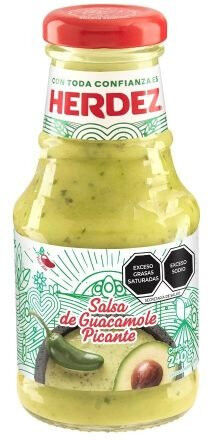
Herdez Spicy Guacamole Sauce 240gMade from fresh and simple ingredients, this guacamole carries a punch of chilli that adds an extra kick of flavour. Whether you're filling tacos, enhancing quesadillas, or looking for a perfect dip, Herdez Spicy Guacamole is the ideal choice. It's the authentic taste of Mexico, ready to bring a delicious twist to your dishes.4,25 £*Shipping: 3,90 £Secure redirect to the provider
-
Herdez Spicy Chipotle Cremoso 240gThis is a creamy chipotle chilli sauce made by Herdez. It has a bit of smoky flavour and a smooth, creamy texture that makes your meat dishes even better. Even without grilling, it gives a hint of a creamy grill taste.4,25 £*Shipping: 3,90 £Secure redirect to the provider
-
What is the difference between polymerization and polycondensation?
Polymerization is a process where monomers are chemically bonded together to form a polymer without the formation of any byproducts. On the other hand, polycondensation is a specific type of polymerization where the reaction involves the elimination of small molecules, such as water or alcohol, as byproducts. This means that in polycondensation, the polymer is formed through the condensation of two different functional groups, leading to the release of a small molecule. **
-
How can branching occur in a radical polymerization?
Branching can occur in radical polymerization when a polymer chain reacts with a monomer to form a new chain, resulting in the formation of a branch point. This can happen when a growing polymer chain reacts with a monomer that has multiple reactive sites, leading to the formation of a branch. Additionally, termination reactions can also lead to branching when two growing polymer chains react with each other, forming a branched structure. Branching can impact the properties of the polymer, such as its mechanical and thermal properties, and can be controlled by adjusting the reaction conditions and monomer structure. **
-
What is polymer chemistry and how does polymerization work?
Polymer chemistry is the study of macromolecules composed of repeating structural units called monomers. These macromolecules, known as polymers, have a wide range of applications in everyday life, including plastics, rubber, fibers, and adhesives. Polymerization is the process by which monomers are chemically bonded together to form a polymer. This can occur through various mechanisms, such as addition polymerization, where monomers add to each other to form a polymer chain, or condensation polymerization, where monomers react to eliminate small molecules like water or alcohol to form a polymer. The resulting polymer can have different properties depending on the type of monomers and the polymerization process used. **
-
What is polymerization and what is it needed for?
Polymerization is a chemical process in which small molecules, called monomers, are chemically bonded together to form a large molecule, known as a polymer. This process is needed to create a wide range of materials with specific properties, such as plastics, rubber, and fibers. Polymerization is essential in various industries, including manufacturing, construction, and healthcare, as it allows for the production of materials with diverse characteristics and applications. **
* All prices are inclusive of VAT and, if applicable, plus shipping costs. The offer information is based on the details provided by the respective shop and is updated through automated processes. Real-time updates do not occur, so deviations can occur in individual cases. ** Note: Parts of this content were created by AI.