Buy deviled.com ?
We are moving the project
deviled.com .
Are you interested in purchasing the domain
deviled.com ?
domain@kv-gmbh.de · 0541-91531010
Buy deviled.com ?
Is an exposé an introduction?
No, an exposé is not an introduction. An exposé is a detailed and in-depth investigation or report that reveals hidden or scandalous information about a person, organization, or situation. It is meant to uncover the truth and provide a comprehensive analysis of the subject matter. On the other hand, an introduction is the opening part of a piece of writing or speech that provides background information and sets the stage for the main content. While an exposé may include an introduction, it is not synonymous with one. **
What is an introduction?
An introduction is the opening section of a piece of writing or speech that provides context, background information, and sets the tone for the rest of the work. It is where the author or speaker introduces the main topic or argument that will be discussed. An introduction should grab the reader's or listener's attention and give them a preview of what to expect in the rest of the piece. It is an essential part of any written or spoken communication as it helps to engage the audience and establish the purpose of the work. **


Similar search terms for Natural-Wine-An-Introduction
Top-Angebote
Products related to Natural-Wine-An-Introduction:
-
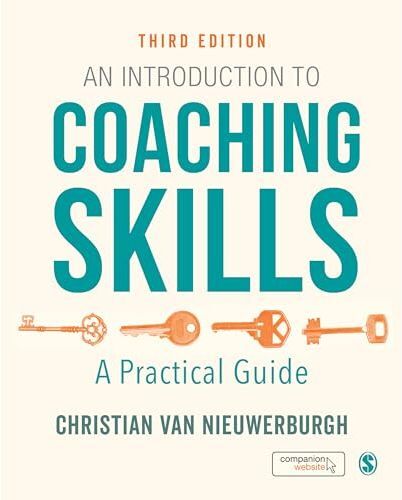
SAGE Publications An Introduction to Coaching Skills: A Practical GuideTo access the exclusive SAGE Videos, please see the code and instructions on the inside front cover of your textbook. If you have purchased the eBook from Amazon or another online retailer, please visit the book′s online resource site to contact SAGE, and we will assist further. This bestselling book introduces you step-by-step to the key skills needed to become a successful coach. Supported by an Online Resource site with over 70 videos of coaching in action, this practical book will be an invaluable resource for novices and trainee coaches.19,49 £*Shipping: 2,99 £Secure redirect to the provider
-
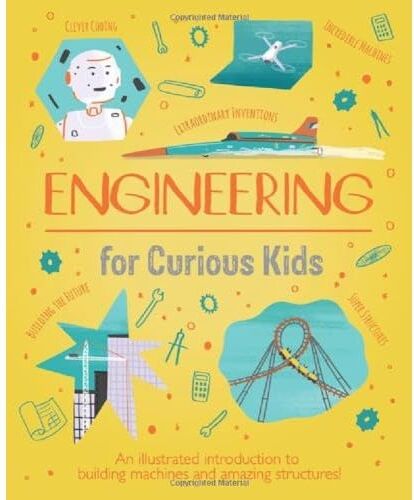
Arcturus Engineering for Curious Kids: An Illustrated Introduction to Building Machines and Amazing Structures!Discover the wonders of engineering with this vibrantly illustrated, inspirational, and accessible book. Young readers can take a journey through the incredible world of engineering - discovering how the field began, some famous events and key figures from its history and how engineers work today. It covers all the main types of engineering, including civil, mechanical, electrical, electronic and chemical. Find out the skills needed to... • Design cars, jets, ships and rockets • Build spectacular skyscrapers • Dig tunnels through mountains • Deliver power to homes, farms and factories Big new concepts pop off the page, thanks to full-colour illustrations, vibrant diagrams and an engaging, energetic prose style. Kids aged 8-12 will relish sharing them with friends and family!8,99 £*Shipping: 2,99 £Secure redirect to the provider
-
Louise Gooding Wonderfully Wired Brains: An Introduction to the World of Neurodiversity - Non Fiction - PaperbackTitle:. Wonderfully Wired Brains: An Introduction to the World of Neurodiversity Format: Paperback Overview:. Wonderfully Wired Brains: An Introduction to the World of Neurodiversity offers a thoughtful, approachable entry point into a complex and increasingly relevant topic. This non-fiction paperback invites readers to explore neurodiversity as a spectrum of cognitive variation that shapes how people think, learn, communicate, and interact. The book aims to demystify neurological differences by providing clear definitions, practical examples, and grounding concepts that help readers see strength as well as challenge. Whether you’re a student starting psychology or education, a parent seeking better support for a child, a teacher or manager aiming to foster inclusion, or a curious reader wanting to understand societal dynamics, this title provides a solid foundation. The writing style prioritises accessibility and respect, translating academic ideas into everyday language and concrete scenarios. By focusing on lived experience and real-world contexts—classrooms, workplaces, families, and communities—the book encourages readers to move from awareness to action, cultivating empathy, patience, and practical strategies. The paperback format keeps the content portable for study groups, book clubs, or professional development sessions and makes the concepts easy to reference during discussions or planning conversations. What Makes This Book Stand Out:. This introduction stands out by balancing clarity with care. It presents neurodiversity as an ordinary facet of human variation rather than a medical problem, inviting readers to rethink common assumptions with empathy and precision. The language avoids jargon while delivering accurate concepts, making the material accessible without sacrificing nuance. The text foregrounds strengths—creativity, pattern recognition, problem-solving, and authentic ways of thinking—that neurodivergent minds bring to schools, teams, and communities. It also offers practical, implementable guidance for everyday inclusivity: adaptable communication, flexible pacing, sensory-conscious environments, and collaborative problem-solving that respects individual differences. The result is a resource that’s not only informative but usable—great for quick reference, classroom discussion, or workplace training. And because it stays rooted in real-world relevance, readers can apply the ideas immediately to reduce frustration, increase participation, and foster more inclusive interactions across settings. Who This Book Is Perfect For:. This book is ideal for a wide audience seeking a clear, respectful introduction to neurodiversity. Perfect for students of psychology, education, or social sciences who want foundational insight, it’s also valuable for parents and guardians looking to understand their children’s experiences better. Teachers, school leaders, and HR professionals will find actionable guidance to create more inclusive...4,99 £*Shipping: 2,99 £Secure redirect to the provider
-
Oneworld Publications Engineering: A Beginner's Guide An Essential Introduction To Engineering Concepts - Non Fiction - PaperbackTitle:. Engineering: A Beginner's Guide An Essential Introduction To Engineering Concepts - Non Fiction - Paperback Format: Paperback Overview:. Engineering: A Beginner's Guide introduces the essential ideas behind engineering in a friendly, accessible way. Whether you're curious about how the things we use every day are designed, or you're considering a path in STEM, this paperback offers a clear map from first principles to practical applications. The book explains what engineers actually do, the problems they solve, and the way teams move an idea from concept to reality. Readers are guided through core concepts across major disciplines—mechanical, civil, electrical, software, and chemical engineering—without assuming prior math or science training. Through concise explanations, relatable examples, and a focus on the design process, the book builds a practical mental model for thinking like an engineer: identify a problem, define criteria, brainstorm solutions, test ideas, iterate, and refine. Expect approachable language, real-world demonstrations, and a steady progression that demystifies complex topics. The tone is reassuring and encouraging, inviting readers to experiment, ask questions, and see the connections between theory and everyday life. It is ideal for self-learners, students exploring engineering careers, or anyone who loves understanding how things work. The guide also covers the basics of safety, ethics, and teamwork, showing how responsible engineering creates reliable, useful technologies. What Makes This Book Stand Out:. Where this guide truly shines is its ability to translate abstract engineering ideas into concrete intuition. It avoids jargon and long equations in favor of vivid explanations, clear definitions, and memorable analogies. Readers gain a broad overview of engineering disciplines while developing a unifying problem-solving mindset that applies to school projects, maker workshops, or future careers. The book emphasizes the design process as a repeatable cycle: define, ideate, prototype, test, and refine, with emphasis on iteration and learning from failure. By anchoring theory to everyday objects—what makes a door resilient, how a smartphone housing manages heat, why bridges must be safe—readers see relevance from page one. The approachable format supports independent study, classroom discussions, or revision for exams, while the calm pace helps build confidence for beginners who may feel overwhelmed by more technical texts. This guide sets readers up not just to understand engineering, but to think like engineers. Who This Book Is Perfect For:. Students weighing engineering as a future degree, parents seeking a friendly overview for their curious junior engineers, and adult readers exploring STEM careers will find this book especially useful. It's also an excellent starter for high schoolers preparing for physics, mathematics, or technology courses, and for hobbyists who like to understand how gadgets and...99,99 £*Shipping: 0,00 £Secure redirect to the provider


-
What is an introduction round?
An introduction round is a common practice in group settings where each participant takes turns introducing themselves to the rest of the group. This can be done in various formats, such as sharing their name, background, and a fun fact about themselves. The purpose of an introduction round is to break the ice, create a sense of community, and help everyone get to know each other at the beginning of a meeting, workshop, or event. It can also set a positive tone for the rest of the gathering. **
-
Who can write an introduction?
Anyone with a good understanding of the topic and the ability to communicate effectively can write an introduction. It is important for the writer to have a clear idea of the purpose of the introduction and the main points that will be covered in the rest of the text. A well-written introduction should grab the reader's attention, provide necessary background information, and present the thesis or main argument of the piece. **
-
Could you provide a source-critical introduction, in other words, an introduction?
Certainly! Source-critical introduction is an approach to analyzing and evaluating sources by considering their origin, authorship, and context. This method involves examining the reliability, bias, and credibility of the sources to determine their usefulness for a particular research or study. By critically assessing the sources, researchers can make informed decisions about the information they use and ensure the validity of their findings. This approach is commonly used in historical and literary studies, as well as in academic research across various disciplines. **
-
How does an introduction round work?
An introduction round typically involves each participant briefly sharing some basic information about themselves, such as their name, background, and interests. This helps to break the ice and allows everyone to get to know each other at the beginning of a meeting or event. The facilitator may set a time limit for each person to ensure that the round is efficient and all participants have a chance to speak. Overall, an introduction round is a common practice to establish a sense of community and connection among the group members. **


How can one prevent an introduction?
One can prevent an introduction by setting clear boundaries and being assertive about not wanting to engage in an introduction. This can be done by politely declining to participate in the introduction, changing the subject, or redirecting the conversation. It's important to communicate one's discomfort with the introduction and assert one's boundaries in a respectful manner. Additionally, avoiding situations or environments where introductions are likely to occur can also help prevent them. **
How do you structure an introduction?
An introduction should begin with a hook to grab the reader's attention, such as a compelling fact, quote, or anecdote. This should be followed by some background information on the topic to provide context and establish the relevance of the subject. Finally, the introduction should end with a clear and concise thesis statement that outlines the main argument or purpose of the essay. This structure helps to engage the reader and set the stage for the rest of the paper. **
Top-Angebote
Products related to Natural-Wine-An-Introduction:
-
Natural Wine: An Introduction to Organic and Biodynamic Wines by Isabelle Legeron - Non Fiction - HardcoverTitle:. Natural Wine: An introduction to organic and biodynamic wines made naturally Condition: BRAND NEW. Format: Hardcover. ISBN: Not provided Overview:. In a world where winemaking often leans on additives and aggressive interventions, Natural Wine offers a thoughtful, accessible gateway to a purer approach. Written by Isabelle Legeron, MW — the esteemed advocate behind RAW Wine — this second edition is a refreshed manual for curious drinkers who want to understand what makes a wine truly natural. The book explores how organic and biodynamic farming principles shape the grapes, and how minimal intervention in the cellar preserves authentic flavours. It demystifies the terminology, demarcates what “natural” can mean in practice, and guides readers toward wines that respect both the land and the drinker. This edition expands on the production processes, introduces a broader universe of growers, and shines a light on more than 140 carefully selected wines for tasting and discovery. Whether you’re assembling a well-rounded home cellar, planning a tasting night with friends, or seeking a thoughtful gift for a wine lover, this clear, engaging guide makes natural wine approachable, enjoyable, and endlessly searchable for enthusiasts and newcomers alike. What Makes This Book Stand Out:. Legeron’s authority as a Master of Wine and tireless campaigner for natural wine gives this guide its grounded credibility. Rather than a glossy, promotional gloss, the book breaks down the practical realities of making wine with minimal additives and maximum respect for terroir. It pairs approachable explanations with concrete recommendations, including practical tips for identifying genuine natural wines on a crowded shelf, how to read labels when sulfites are present, and what questions to ask producers about farming methods. The second edition is fully updated, reflecting evolving terroirs, new vintners, and a more expansive palate of styles—from crisp, mineral whites to vibrant, sun-warmed reds. Readers emerge with a confident framework: what to seek, what to question, and how to taste with intention. It’s a practical companion as well as a source of inspiration for weekend tastings, dinner party pairings, and thoughtful gift-giving. Who This Book Is Perfect For:. This book is ideal for wine newcomers who want a solid, non-intimidating entry into natural wine, as well as seasoned enthusiasts seeking a reliable reference to expand their tasting horizons. It suits home cooks who want wine that complements food without overpowering it, casual readers curious about sustainable farming, and oenophiles who relish the lineage of a wine from soil to glass. It’s also a smart choice for book lovers who value practical, experiential learning—perfect for BookTok communities, club members, and gifting occasions for birthdays or festive seasons. If you’ve ever wondered how natural wine differs from conventional bottles, this guide answers with clarity, insight, and a tone that...17,99 £*Shipping: 2,99 £Secure redirect to the provider
-
SAGE Publications An Introduction to Coaching Skills: A Practical GuideTo access the exclusive SAGE Videos, please see the code and instructions on the inside front cover of your textbook. If you have purchased the eBook from Amazon or another online retailer, please visit the book′s online resource site to contact SAGE, and we will assist further. This bestselling book introduces you step-by-step to the key skills needed to become a successful coach. Supported by an Online Resource site with over 70 videos of coaching in action, this practical book will be an invaluable resource for novices and trainee coaches.19,49 £*Shipping: 2,99 £Secure redirect to the provider
-
Arcturus Engineering for Curious Kids: An Illustrated Introduction to Building Machines and Amazing Structures!Discover the wonders of engineering with this vibrantly illustrated, inspirational, and accessible book. Young readers can take a journey through the incredible world of engineering - discovering how the field began, some famous events and key figures from its history and how engineers work today. It covers all the main types of engineering, including civil, mechanical, electrical, electronic and chemical. Find out the skills needed to... • Design cars, jets, ships and rockets • Build spectacular skyscrapers • Dig tunnels through mountains • Deliver power to homes, farms and factories Big new concepts pop off the page, thanks to full-colour illustrations, vibrant diagrams and an engaging, energetic prose style. Kids aged 8-12 will relish sharing them with friends and family!8,99 £*Shipping: 2,99 £Secure redirect to the provider
-
Is an exposé an introduction?
No, an exposé is not an introduction. An exposé is a detailed and in-depth investigation or report that reveals hidden or scandalous information about a person, organization, or situation. It is meant to uncover the truth and provide a comprehensive analysis of the subject matter. On the other hand, an introduction is the opening part of a piece of writing or speech that provides background information and sets the stage for the main content. While an exposé may include an introduction, it is not synonymous with one. **
-
What is an introduction?
An introduction is the opening section of a piece of writing or speech that provides context, background information, and sets the tone for the rest of the work. It is where the author or speaker introduces the main topic or argument that will be discussed. An introduction should grab the reader's or listener's attention and give them a preview of what to expect in the rest of the piece. It is an essential part of any written or spoken communication as it helps to engage the audience and establish the purpose of the work. **
-
What is an introduction round?
An introduction round is a common practice in group settings where each participant takes turns introducing themselves to the rest of the group. This can be done in various formats, such as sharing their name, background, and a fun fact about themselves. The purpose of an introduction round is to break the ice, create a sense of community, and help everyone get to know each other at the beginning of a meeting, workshop, or event. It can also set a positive tone for the rest of the gathering. **
-
Who can write an introduction?
Anyone with a good understanding of the topic and the ability to communicate effectively can write an introduction. It is important for the writer to have a clear idea of the purpose of the introduction and the main points that will be covered in the rest of the text. A well-written introduction should grab the reader's attention, provide necessary background information, and present the thesis or main argument of the piece. **
Similar search terms for Natural-Wine-An-Introduction
-
Louise Gooding Wonderfully Wired Brains: An Introduction to the World of Neurodiversity - Non Fiction - PaperbackTitle:. Wonderfully Wired Brains: An Introduction to the World of Neurodiversity Format: Paperback Overview:. Wonderfully Wired Brains: An Introduction to the World of Neurodiversity offers a thoughtful, approachable entry point into a complex and increasingly relevant topic. This non-fiction paperback invites readers to explore neurodiversity as a spectrum of cognitive variation that shapes how people think, learn, communicate, and interact. The book aims to demystify neurological differences by providing clear definitions, practical examples, and grounding concepts that help readers see strength as well as challenge. Whether you’re a student starting psychology or education, a parent seeking better support for a child, a teacher or manager aiming to foster inclusion, or a curious reader wanting to understand societal dynamics, this title provides a solid foundation. The writing style prioritises accessibility and respect, translating academic ideas into everyday language and concrete scenarios. By focusing on lived experience and real-world contexts—classrooms, workplaces, families, and communities—the book encourages readers to move from awareness to action, cultivating empathy, patience, and practical strategies. The paperback format keeps the content portable for study groups, book clubs, or professional development sessions and makes the concepts easy to reference during discussions or planning conversations. What Makes This Book Stand Out:. This introduction stands out by balancing clarity with care. It presents neurodiversity as an ordinary facet of human variation rather than a medical problem, inviting readers to rethink common assumptions with empathy and precision. The language avoids jargon while delivering accurate concepts, making the material accessible without sacrificing nuance. The text foregrounds strengths—creativity, pattern recognition, problem-solving, and authentic ways of thinking—that neurodivergent minds bring to schools, teams, and communities. It also offers practical, implementable guidance for everyday inclusivity: adaptable communication, flexible pacing, sensory-conscious environments, and collaborative problem-solving that respects individual differences. The result is a resource that’s not only informative but usable—great for quick reference, classroom discussion, or workplace training. And because it stays rooted in real-world relevance, readers can apply the ideas immediately to reduce frustration, increase participation, and foster more inclusive interactions across settings. Who This Book Is Perfect For:. This book is ideal for a wide audience seeking a clear, respectful introduction to neurodiversity. Perfect for students of psychology, education, or social sciences who want foundational insight, it’s also valuable for parents and guardians looking to understand their children’s experiences better. Teachers, school leaders, and HR professionals will find actionable guidance to create more inclusive...4,99 £*Shipping: 2,99 £Secure redirect to the provider
-
Oneworld Publications Engineering: A Beginner's Guide An Essential Introduction To Engineering Concepts - Non Fiction - PaperbackTitle:. Engineering: A Beginner's Guide An Essential Introduction To Engineering Concepts - Non Fiction - Paperback Format: Paperback Overview:. Engineering: A Beginner's Guide introduces the essential ideas behind engineering in a friendly, accessible way. Whether you're curious about how the things we use every day are designed, or you're considering a path in STEM, this paperback offers a clear map from first principles to practical applications. The book explains what engineers actually do, the problems they solve, and the way teams move an idea from concept to reality. Readers are guided through core concepts across major disciplines—mechanical, civil, electrical, software, and chemical engineering—without assuming prior math or science training. Through concise explanations, relatable examples, and a focus on the design process, the book builds a practical mental model for thinking like an engineer: identify a problem, define criteria, brainstorm solutions, test ideas, iterate, and refine. Expect approachable language, real-world demonstrations, and a steady progression that demystifies complex topics. The tone is reassuring and encouraging, inviting readers to experiment, ask questions, and see the connections between theory and everyday life. It is ideal for self-learners, students exploring engineering careers, or anyone who loves understanding how things work. The guide also covers the basics of safety, ethics, and teamwork, showing how responsible engineering creates reliable, useful technologies. What Makes This Book Stand Out:. Where this guide truly shines is its ability to translate abstract engineering ideas into concrete intuition. It avoids jargon and long equations in favor of vivid explanations, clear definitions, and memorable analogies. Readers gain a broad overview of engineering disciplines while developing a unifying problem-solving mindset that applies to school projects, maker workshops, or future careers. The book emphasizes the design process as a repeatable cycle: define, ideate, prototype, test, and refine, with emphasis on iteration and learning from failure. By anchoring theory to everyday objects—what makes a door resilient, how a smartphone housing manages heat, why bridges must be safe—readers see relevance from page one. The approachable format supports independent study, classroom discussions, or revision for exams, while the calm pace helps build confidence for beginners who may feel overwhelmed by more technical texts. This guide sets readers up not just to understand engineering, but to think like engineers. Who This Book Is Perfect For:. Students weighing engineering as a future degree, parents seeking a friendly overview for their curious junior engineers, and adult readers exploring STEM careers will find this book especially useful. It's also an excellent starter for high schoolers preparing for physics, mathematics, or technology courses, and for hobbyists who like to understand how gadgets and...99,99 £*Shipping: 0,00 £Secure redirect to the provider
-
DK Children Wonderfully Wired Brains: An Introduction to the World of Neurodiversity by Louise GoodingAn informative and inclusive children's guide to neurodiversity for those not in the know and to inspire children who are neurodivergent. Our brains are unique in the way they function, work, and think. Neurodiversity is still a relatively 'new' concept that can be tricky to understand, but this book is here to help! This inspirational book written by neurodiverse author Louise Gooding challenges misconceptions and shows how neurodivergent brains work a little differently. It is common for neurodiverse people and those with neurological differences to feel as though they don't fit in, but their extraordinary differences should be embraced. Wonderfully Wired Brains teaches children aged 7-9 all about the awesome abilities that neurodiverse individuals have, introduces them to advocates who are challenging neurodiversity stereotypes, and most importantly gives them a safe space to feel accepted. This informative and educational book for children features:- Accurate, understandable explanations of diagnoses that impact the brain, including each area of neurodiversity and what it can or does mean for anyone with that particular neurological difference. - A positive, friendly look at neurodiverse brains that debunks myths and stereotypes. - Informative, inclusive text is accompanied by colourful, modern illustrations. The font and colours used have been selected to accommodate a range of neurodiverse readers. Combining neurodiverse experiences with science, history, and brain-bursting facts, Wonderfully Wired Brains has something for everyone!Whether your child is neurodiverse or not, this book will inspire inquisitive young readers and show them that no two brains function in the same way and that everyone's differences should be celebrated. There really is no other book like it.6,99 £*Shipping: 2,99 £Secure redirect to the provider
-
HarperCollins Maths on the Back of an Envelope: Clever ways to (roughly) calculate anything. An entertaining introduction to mental maths and problem solvingMaths on the Back of an Envelope: Clever ways to (roughly) calculate anything. An entertaining introduction to mental maths and problem solving10,99 £*Shipping: 2,99 £Secure redirect to the provider
-
Could you provide a source-critical introduction, in other words, an introduction?
Certainly! Source-critical introduction is an approach to analyzing and evaluating sources by considering their origin, authorship, and context. This method involves examining the reliability, bias, and credibility of the sources to determine their usefulness for a particular research or study. By critically assessing the sources, researchers can make informed decisions about the information they use and ensure the validity of their findings. This approach is commonly used in historical and literary studies, as well as in academic research across various disciplines. **
-
How does an introduction round work?
An introduction round typically involves each participant briefly sharing some basic information about themselves, such as their name, background, and interests. This helps to break the ice and allows everyone to get to know each other at the beginning of a meeting or event. The facilitator may set a time limit for each person to ensure that the round is efficient and all participants have a chance to speak. Overall, an introduction round is a common practice to establish a sense of community and connection among the group members. **
-
How can one prevent an introduction?
One can prevent an introduction by setting clear boundaries and being assertive about not wanting to engage in an introduction. This can be done by politely declining to participate in the introduction, changing the subject, or redirecting the conversation. It's important to communicate one's discomfort with the introduction and assert one's boundaries in a respectful manner. Additionally, avoiding situations or environments where introductions are likely to occur can also help prevent them. **
-
How do you structure an introduction?
An introduction should begin with a hook to grab the reader's attention, such as a compelling fact, quote, or anecdote. This should be followed by some background information on the topic to provide context and establish the relevance of the subject. Finally, the introduction should end with a clear and concise thesis statement that outlines the main argument or purpose of the essay. This structure helps to engage the reader and set the stage for the rest of the paper. **
* All prices are inclusive of VAT and, if applicable, plus shipping costs. The offer information is based on the details provided by the respective shop and is updated through automated processes. Real-time updates do not occur, so deviations can occur in individual cases. ** Note: Parts of this content were created by AI.