Buy deviled.com ?
We are moving the project
deviled.com .
Are you interested in purchasing the domain
deviled.com ?
domain@kv-gmbh.de · 0541-91531010
Buy deviled.com ?
What are microscopes?
Microscopes are scientific instruments used to magnify and observe tiny objects that are not visible to the naked eye. They work by using lenses to focus light on the specimen, allowing for detailed examination of its structure and composition. Microscopes are commonly used in fields such as biology, medicine, chemistry, and materials science to study cells, microorganisms, crystals, and other small objects. There are different types of microscopes, including optical microscopes, electron microscopes, and scanning probe microscopes, each with its own specific capabilities and applications. **
What are the advantages and disadvantages of electron microscopes and light microscopes?
Electron microscopes have the advantage of higher resolution, allowing for the visualization of smaller structures such as individual molecules. They also have a greater magnification power compared to light microscopes. However, electron microscopes are more expensive, require specialized training to operate, and samples need to be placed in a vacuum, which can alter their natural state. On the other hand, light microscopes are more affordable, easier to use, and samples can be observed in their natural state without the need for special preparation. However, they have lower resolution and magnification capabilities compared to electron microscopes, limiting the ability to visualize very small structures. **


Similar search terms for Microscopes
Top-Angebote
Products related to Microscopes:
-
Janod Deluxe Spicy CookerJanod deluxe spicy cooker lets you have your own kitchen space in your bedroom or playroom! prepare tasty pretend dishes for your friends and practice to become a little chef. The kitchen comes with a sink, stovetop, oven, microwave, hanging rack,...134,00 $*Shipping: 0,00 $Secure redirect to the provider
-
Uplifted Finds Savory Squeak Plush Chicken Leg Toy 1 PcIndulge your pets natural hunting and chewing instincts with the SavorySqueak Chicken Leg Plush. This playful, foodthemed toy is a feast for the senses, designed to keep small to large dogsand even curious catsentertained for hours. Featuring a...30,97 $*Shipping: 0,00 $Secure redirect to the provider
-
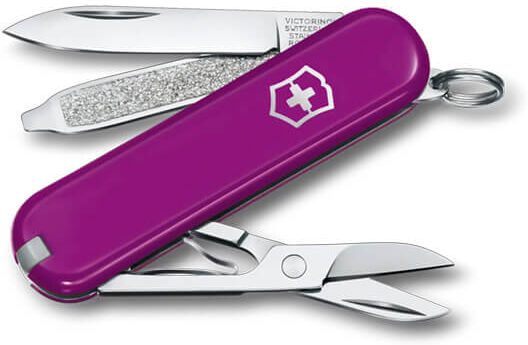
Victorinox Swiss Army Knife Classic SD Tasty GrapeFor over a century, the Victorinox Swiss Army Knife Classic SD has been a symbol of sleek functionality. This Tasty Grape version brings it up to date. It’s the simplest lifelong commitment you'll ever make. Tools: Blade, small / Keyring / Nail file / Scissors / Screwdriver 2.5mm / Toothpick / Tweezers Dimensions: 0.9(H) x 5.8(L) x 1.8(W) cm. Weight: 0.021kg. The Victorinox Swiss Army Knife Classic SD Tasty Grape is covered by a Victorinox lifetime warranty. Knives are not for sale to persons under the age of 18. - all knives and bladed products are delivered by Age Verified Delivery (AVD). The carrier may request proof of age in order to deliver your parcel. If proof of age is not available, or the recipient is underage, the carrier will refuse to deliver.24,95 £*Shipping: 3,50 £Secure redirect to the provider
-
Cybex Carrycot M - Hot & SpicyThe CYBEX Carry Cot M is lightweight without compromising on comfort. A comfortable, extra wide mattress ensures an ergonomically correct and comfortable lying position. The integrated XXL sun canopy protects with UVP50+ from sun, wind and rain. The...169,95 $*Shipping: 0,00 $Secure redirect to the provider



-
Why do biologists use light microscopes, even though electron microscopes offer much higher magnification?
Biologists use light microscopes because they are more versatile and can be used to observe living organisms in their natural state. Light microscopes also allow for the observation of a wider range of samples, including transparent or unstained specimens. Additionally, light microscopes are more affordable and easier to use compared to electron microscopes, making them more accessible to a wider range of researchers. **
-
How many microscopes for bacteria are there?
There are several types of microscopes that can be used to observe bacteria, including light microscopes, electron microscopes, and fluorescence microscopes. Each type of microscope has its own advantages and limitations for studying bacteria. For example, light microscopes are commonly used for observing live bacteria, while electron microscopes provide higher resolution images but require specialized sample preparation. Overall, there are multiple options for studying bacteria using microscopy, each with its own unique capabilities. **
-
What is the field of application for microscopes?
Microscopes are used in a wide range of fields including biology, medicine, chemistry, geology, and material science. In biology and medicine, microscopes are used to study cells, tissues, and microorganisms. In chemistry, they are used to analyze the structure of molecules and materials. In geology, microscopes are used to study minerals and rocks, while in material science, they are used to examine the structure and properties of various materials. Overall, microscopes are essential tools for studying and understanding the microscopic world. **
-
Do microscopes and telescopes have the same principle?
Microscopes and telescopes operate on similar principles of using lenses to magnify objects, but they are designed for different purposes. Microscopes are used to magnify small objects such as cells and microorganisms, while telescopes are used to observe distant objects in space. Both instruments rely on the manipulation of light to produce magnified images, but their specific designs and functions are tailored to their intended use. **


In which professions do people work exclusively with microscopes?
People who work exclusively with microscopes can be found in professions such as microbiology, histology, pathology, and certain fields of chemistry and materials science. Microbiologists study microorganisms, histologists examine the microscopic structure of tissues, pathologists analyze tissue samples for diseases, and scientists in chemistry and materials science use microscopes to study the properties and structures of materials at the microscopic level. These professionals rely on microscopes to conduct their research and analysis, making them an essential tool in their work. **
What are the advantages and disadvantages of different types of microscopes?
The advantages of light microscopes include their affordability, ease of use, and ability to observe living organisms. However, they have limited magnification and resolution compared to electron microscopes. Electron microscopes, on the other hand, offer much higher magnification and resolution, allowing for the observation of smaller structures. However, they are expensive, require specialized training, and can only be used to observe non-living specimens. Scanning probe microscopes have the advantage of being able to observe surfaces at the atomic level, but they are also expensive and require a high level of expertise to operate. **
Top-Angebote
Products related to Microscopes:
-
Mitchell Beazley Chetna’s Healthy Indian Vegetarian by Chetna Makan – Nutritious & Flavorful RecipesHealthy Indian Vegetarian is a celebration of Indian food at its best; fresh, vibrant and supremely moreish.Chetna Makan's bestselling cookbooks combine her creative flavour twists with a love of simple Indian home cooking. Taking inspiration from the eclectic mix of vegetarian and vegan dishes found in Indian cuisine, these tempting recipes celebrate plant-based food at its best - delicious, vibrant, varied and nutritious. Nothing complicated; just beautiful food for everyone - and so healthy that you can enjoy it every day.With over 80 delicious recipes that vegetarians and even the most dedicated of meat-eaters can enjoy. Chetna shows just how creative you can be with even the most humble of vegetables. This book is packed with flavour and innovative ideas whilst being easy and accessible for home cooks.Recipes include:Garlic and tamarind soupGram flour stuffed chilliesCheese and potato chapatti sandwichCourgette kofta curryBeetroot and sweet potato kormaMasala paneer8,90 £*Shipping: 2,99 £Secure redirect to the provider
-
Janod Deluxe Spicy CookerJanod deluxe spicy cooker lets you have your own kitchen space in your bedroom or playroom! prepare tasty pretend dishes for your friends and practice to become a little chef. The kitchen comes with a sink, stovetop, oven, microwave, hanging rack,...134,00 $*Shipping: 0,00 $Secure redirect to the provider
-
Uplifted Finds Savory Squeak Plush Chicken Leg Toy 1 PcIndulge your pets natural hunting and chewing instincts with the SavorySqueak Chicken Leg Plush. This playful, foodthemed toy is a feast for the senses, designed to keep small to large dogsand even curious catsentertained for hours. Featuring a...30,97 $*Shipping: 0,00 $Secure redirect to the provider
-
What are microscopes?
Microscopes are scientific instruments used to magnify and observe tiny objects that are not visible to the naked eye. They work by using lenses to focus light on the specimen, allowing for detailed examination of its structure and composition. Microscopes are commonly used in fields such as biology, medicine, chemistry, and materials science to study cells, microorganisms, crystals, and other small objects. There are different types of microscopes, including optical microscopes, electron microscopes, and scanning probe microscopes, each with its own specific capabilities and applications. **
-
What are the advantages and disadvantages of electron microscopes and light microscopes?
Electron microscopes have the advantage of higher resolution, allowing for the visualization of smaller structures such as individual molecules. They also have a greater magnification power compared to light microscopes. However, electron microscopes are more expensive, require specialized training to operate, and samples need to be placed in a vacuum, which can alter their natural state. On the other hand, light microscopes are more affordable, easier to use, and samples can be observed in their natural state without the need for special preparation. However, they have lower resolution and magnification capabilities compared to electron microscopes, limiting the ability to visualize very small structures. **
-
Why do biologists use light microscopes, even though electron microscopes offer much higher magnification?
Biologists use light microscopes because they are more versatile and can be used to observe living organisms in their natural state. Light microscopes also allow for the observation of a wider range of samples, including transparent or unstained specimens. Additionally, light microscopes are more affordable and easier to use compared to electron microscopes, making them more accessible to a wider range of researchers. **
-
How many microscopes for bacteria are there?
There are several types of microscopes that can be used to observe bacteria, including light microscopes, electron microscopes, and fluorescence microscopes. Each type of microscope has its own advantages and limitations for studying bacteria. For example, light microscopes are commonly used for observing live bacteria, while electron microscopes provide higher resolution images but require specialized sample preparation. Overall, there are multiple options for studying bacteria using microscopy, each with its own unique capabilities. **
Similar search terms for Microscopes
-
Victorinox Swiss Army Knife Classic SD Tasty GrapeFor over a century, the Victorinox Swiss Army Knife Classic SD has been a symbol of sleek functionality. This Tasty Grape version brings it up to date. It’s the simplest lifelong commitment you'll ever make. Tools: Blade, small / Keyring / Nail file / Scissors / Screwdriver 2.5mm / Toothpick / Tweezers Dimensions: 0.9(H) x 5.8(L) x 1.8(W) cm. Weight: 0.021kg. The Victorinox Swiss Army Knife Classic SD Tasty Grape is covered by a Victorinox lifetime warranty. Knives are not for sale to persons under the age of 18. - all knives and bladed products are delivered by Age Verified Delivery (AVD). The carrier may request proof of age in order to deliver your parcel. If proof of age is not available, or the recipient is underage, the carrier will refuse to deliver.24,95 £*Shipping: 3,50 £Secure redirect to the provider
-
Cybex Carrycot M - Hot & SpicyThe CYBEX Carry Cot M is lightweight without compromising on comfort. A comfortable, extra wide mattress ensures an ergonomically correct and comfortable lying position. The integrated XXL sun canopy protects with UVP50+ from sun, wind and rain. The...169,95 $*Shipping: 0,00 $Secure redirect to the provider
-
Pimentae Tommys Spicy Margarita 500mlA fiery twist on the classic Margarita (tequila, lime, chilli, agave). 15% ABV 50cl (5 serves). This service blends the best of Mexico's natural, fresh flavours. Our multi-award-winning Spicy Margarita blends tequila, lime, chilli and agave for the perfect balance of sweet and spicy. If you like panties, you'll love this!27,42 £*Shipping: 6,49 £Secure redirect to the provider
-
Pimentae Tommys Spicy Margarita 125mlThe perfect pocket-sized serve of our Spicy Margarita (tequila, lime, agave, chilli). 15% ABV 125ML. Our multi-award-winning Spicy Margarita blends Mexico's freshest flavours; tequila, lime, chilli and agave. The perfect balance of sweet and spicy. If you like panties, you'll love them!4,44 £*Shipping: 4,90 £Secure redirect to the provider
-
What is the field of application for microscopes?
Microscopes are used in a wide range of fields including biology, medicine, chemistry, geology, and material science. In biology and medicine, microscopes are used to study cells, tissues, and microorganisms. In chemistry, they are used to analyze the structure of molecules and materials. In geology, microscopes are used to study minerals and rocks, while in material science, they are used to examine the structure and properties of various materials. Overall, microscopes are essential tools for studying and understanding the microscopic world. **
-
Do microscopes and telescopes have the same principle?
Microscopes and telescopes operate on similar principles of using lenses to magnify objects, but they are designed for different purposes. Microscopes are used to magnify small objects such as cells and microorganisms, while telescopes are used to observe distant objects in space. Both instruments rely on the manipulation of light to produce magnified images, but their specific designs and functions are tailored to their intended use. **
-
In which professions do people work exclusively with microscopes?
People who work exclusively with microscopes can be found in professions such as microbiology, histology, pathology, and certain fields of chemistry and materials science. Microbiologists study microorganisms, histologists examine the microscopic structure of tissues, pathologists analyze tissue samples for diseases, and scientists in chemistry and materials science use microscopes to study the properties and structures of materials at the microscopic level. These professionals rely on microscopes to conduct their research and analysis, making them an essential tool in their work. **
-
What are the advantages and disadvantages of different types of microscopes?
The advantages of light microscopes include their affordability, ease of use, and ability to observe living organisms. However, they have limited magnification and resolution compared to electron microscopes. Electron microscopes, on the other hand, offer much higher magnification and resolution, allowing for the observation of smaller structures. However, they are expensive, require specialized training, and can only be used to observe non-living specimens. Scanning probe microscopes have the advantage of being able to observe surfaces at the atomic level, but they are also expensive and require a high level of expertise to operate. **
* All prices are inclusive of VAT and, if applicable, plus shipping costs. The offer information is based on the details provided by the respective shop and is updated through automated processes. Real-time updates do not occur, so deviations can occur in individual cases. ** Note: Parts of this content were created by AI.