Buy deviled.com ?
We are moving the project
deviled.com .
Are you interested in purchasing the domain
deviled.com ?
domain@kv-gmbh.de · 0541-91531010
Buy deviled.com ?
Why do Germans prefer creamy and mild over spicy and flavorful?
Germans tend to prefer creamy and mild flavors over spicy and flavorful ones due to their traditional culinary preferences. German cuisine often features dishes that are hearty and comforting, with a focus on simple and wholesome ingredients. Creamy and mild flavors are seen as more comforting and familiar, appealing to a wider range of palates. Additionally, the German palate tends to prioritize balance and subtlety in flavors, rather than bold and intense tastes. **
Why do Germans prefer creamy and mild instead of spicy and flavorful?
Germans tend to prefer creamy and mild flavors over spicy and flavorful ones due to their traditional culinary preferences. Creamy and mild dishes are often associated with comfort and familiarity in German cuisine. Additionally, the German palate tends to favor subtle and balanced flavors rather than bold and intense ones. This preference for creamy and mild dishes may also be influenced by the availability of ingredients and the influence of neighboring European cuisines. **


Similar search terms for Macmillan-How-To-Drive
Top-Angebote
Products related to Macmillan-How-To-Drive:
-
Pan Macmillan Hyperfocus: How to Work Less to Achieve More by Chris BaileyHyperfocus by Chris Bailey is a practical guide to managing your attention – the most powerful resource you have to become more creative, get stuff done, and live a more meaningful life.In Hyperfocus, you will learn:- How working fewer hours can increase our productivity- How we get more done by making our work harder, not easier- How we do our best creative work when we're the most tiredOur attention has never been as overwhelmed as it is today and we've never been so busy while accomplishing so little.In Hyperfocus, Chris Bailey provides profound insights into how we can best manage our attention. He reveals how the brain switches between two mental modes – hyperfocus, our deep concentration mode, and scatterfocus, our creative, reflective mode – and how the surest path to being our most creative and efficient selves at work is to combine them both.2,99 £*Shipping: 1,99 £Secure redirect to the provider
-
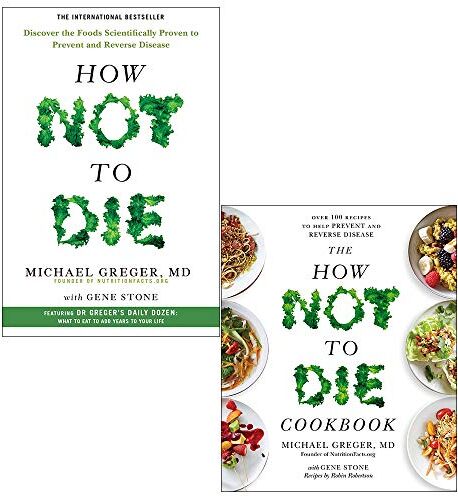
Pan Macmillan How Not To Die 2 Books Collection Set by Dr Michael Greger and Gene Stone (How Not To Die, How Not To Die Cookbook)How Not To Die Why rely on drugs and surgery to cure you of life-threatening disease when the right decisions can prevent you from falling ill to begin with? How Not To Die gives effective, scientifically-proven nutritional advice to prevent our biggest killers - including heart disease, breast cancer, prostate cancer, high blood pressure and diabetes - and reveals the astounding health benefits that simple dietary choices can provide. How Not To Die Cookbook Dr Michael Greger, founder of the wildly popular website NutritionFacts, takes his comprehensive, lifesaving science into the kitchen. Why suffer from disease and ill health when the right food is proven to keep you healthy, and without the side effects of drugs? We can avoid heart disease, cancer and our other biggest killers if we use food as medicine, and the How Not To Die Cookbook offers a sustainable and delicious guide to preparing and eating the foods that will prevent and reverse fatal diseases.15,45 £*Shipping: 2,99 £Secure redirect to the provider
-
How Not to Age: by Michael Greger - Non Fiction - Paperback Pan MacmillanThe Scientific Approach to Getting Healthier as You Get Older Live better for longer with this ultimate guide to longevity from the author of How Not to Die. We all want to stay healthy as we age but, with so many different claims out there, it can be hard to know the best advice to follow. In How Not to Age, Dr Michael Greger digs into the top peer-reviewed anti-ageing research to deliver a complete and optimal guide with simple steps to extend your lifespan and slow the adverse effects of ageing. Inspired by the dietary and lifestyle patterns of the world’s centenarians and residents of ‘blue zone’ regions where people live the longest, Dr Greger presents easy, evidence-based ways to preserve the body functions that keep us feeling youthful, both physically and mentally. Can an apple a day really keep the doctor away? What’s better for your longevity, jogging for four hours or eating two handfuls of nuts twice a week? Brimming with expertise, How Not to Age lays out practical strategies for living your longest, healthiest life – and for enjoying every moment of it.10,99 £*Shipping: 2,99 £Secure redirect to the provider
-
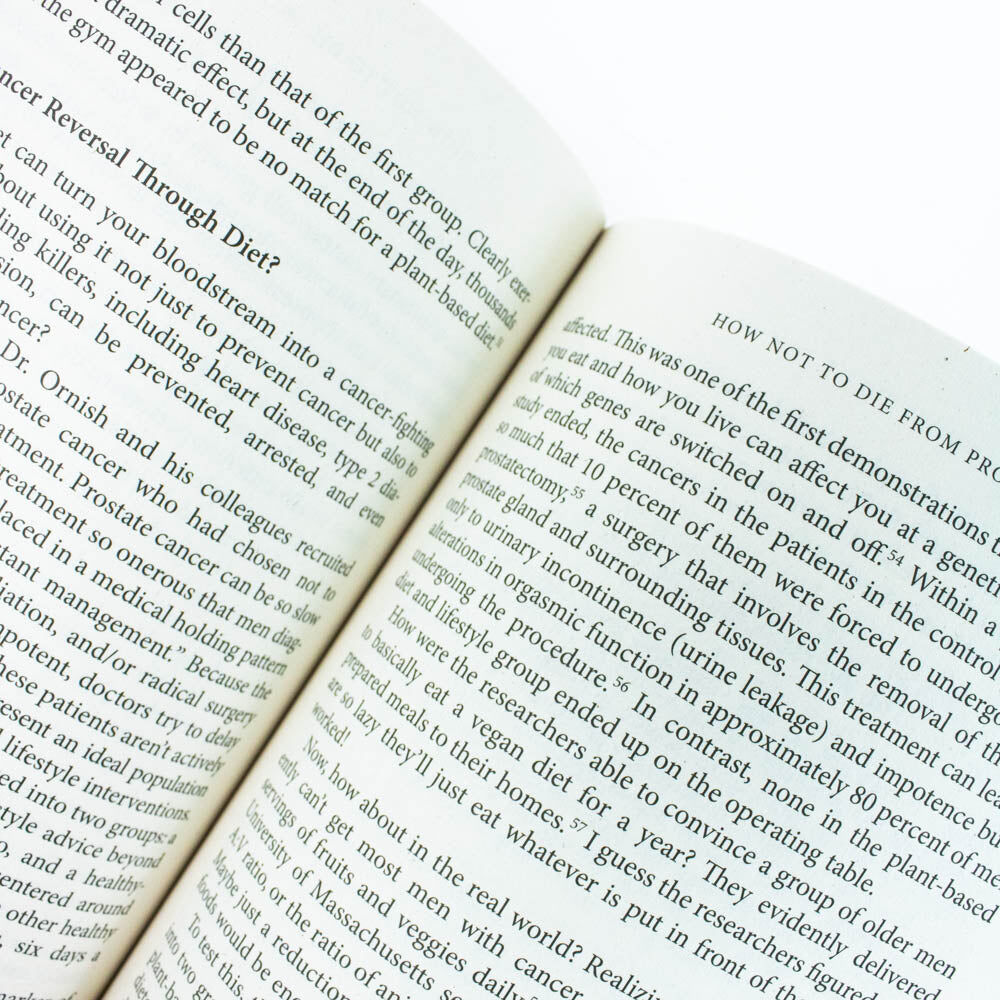
Pan Macmillan How Not to Die: Discover the Foods Scientifically Proven to Prevent and Reverse DiseaseWhy rely on drugs and surgery to cure you of life-threatening disease when the right decisions can prevent you from falling ill to begin with?How Not To Die gives effective, scientifically-proven nutritional advice to prevent our biggest killers - including heart disease, breast cancer, prostate cancer, high blood pressure and diabetes - and reveals the astounding health benefits that simple dietary choices can provide. Based on the latest scientific research, the internationally bestselling How Not To Die examines each of the most common diseases to reveal what, how and why different foods affect us, and how increasing our consumption of certain foods and avoiding others can dramatically reduce our risk of falling sick and even reverse the effects of disease. It also shares Dr Greger's 'Daily Dozen' - the twelve foods we should all eat every day to stay in the best of health. With emphasis on individual family health history and acknowledging that everyone needs something different, Dr Michael Greger offers practical dietary advice to help you live longer, healthier lives.7,95 £*Shipping: 2,99 £Secure redirect to the provider


-
How can I assign a drive to an external hard drive?
To assign a drive letter to an external hard drive, you can follow these steps: 1. Connect the external hard drive to your computer. 2. Right-click on the Start button and select Disk Management. 3. In the Disk Management window, locate your external hard drive, right-click on it, and select Change Drive Letter and Paths. 4. Click on the Change button, select a new drive letter from the drop-down menu, and click OK. 5. A confirmation message will appear, click Yes to confirm the drive letter change. **
-
How can one move programs from drive C to another drive?
To move programs from drive C to another drive, you can use the built-in Windows feature called "Programs and Features" or "Add or Remove Programs" to uninstall the program from drive C. Then, reinstall the program on the other drive, specifying the new installation location during the installation process. Alternatively, you can use third-party software designed for moving programs and files to transfer the program from drive C to another drive. Keep in mind that not all programs can be easily moved, so it's important to check the program's documentation or support resources for specific instructions. **
-
How can I clone an NVMe drive to another NVMe drive?
To clone an NVMe drive to another NVMe drive, you can use specialized cloning software such as Acronis True Image, EaseUS Todo Backup, or Macrium Reflect. First, install the cloning software and connect both NVMe drives to your computer. Then, use the software to select the source NVMe drive and the destination NVMe drive, and start the cloning process. Once the cloning is complete, you can swap out the old NVMe drive with the new one, and your system should boot up with all the data and settings transferred over. **
-
How can one move files from drive C to drive E?
To move files from drive C to drive E, you can simply drag and drop the files from one drive to the other using File Explorer. Alternatively, you can copy the files from drive C, navigate to drive E, and then paste the files into the desired location. Another option is to use the cut and paste function to move the files from drive C to drive E. Just make sure that both drives are connected and accessible on your computer. **

How to calculate the belt drive?
To calculate the belt drive, you will need to know the power transmitted, the speed of the driver and driven pulleys, and the center distance between the pulleys. Use the formula: P = (T1-T2) * V, where P is the power transmitted, T1 and T2 are the tensions in the tight and slack sides of the belt, and V is the velocity of the belt. You can then calculate the tensions in the belt using the formula: T = (P * 1000) / V, where T is the tension in the belt and P is the power transmitted. Finally, you can calculate the center distance between the pulleys using the formula: C = 2L + (D1 + D2)/2, where C is the center distance, L is the distance between the pulley axes, and D1 and D2 are the diameters of the driver and driven pulleys. **
Do people forget how to drive?
Yes, people can forget how to drive if they do not practice regularly. Driving is a skill that requires practice and muscle memory, so if someone goes a long time without driving, they may become rusty and forget some of the finer points of operating a vehicle. Additionally, changes in physical or cognitive abilities as people age can also impact their ability to drive safely. It's important for individuals to regularly practice and stay up to date on driving skills to maintain their ability to drive safely. **
Top-Angebote
Products related to Macmillan-How-To-Drive:
-
Pan Macmillan Hyperfocus: How to Work Less to Achieve More by Chris BaileyHyperfocus by Chris Bailey is a practical guide to managing your attention – the most powerful resource you have to become more creative, get stuff done, and live a more meaningful life.In Hyperfocus, you will learn:- How working fewer hours can increase our productivity- How we get more done by making our work harder, not easier- How we do our best creative work when we're the most tiredOur attention has never been as overwhelmed as it is today and we've never been so busy while accomplishing so little.In Hyperfocus, Chris Bailey provides profound insights into how we can best manage our attention. He reveals how the brain switches between two mental modes – hyperfocus, our deep concentration mode, and scatterfocus, our creative, reflective mode – and how the surest path to being our most creative and efficient selves at work is to combine them both.2,99 £*Shipping: 1,99 £Secure redirect to the provider
-
Pan Macmillan How Not To Die 2 Books Collection Set by Dr Michael Greger and Gene Stone (How Not To Die, How Not To Die Cookbook)How Not To Die Why rely on drugs and surgery to cure you of life-threatening disease when the right decisions can prevent you from falling ill to begin with? How Not To Die gives effective, scientifically-proven nutritional advice to prevent our biggest killers - including heart disease, breast cancer, prostate cancer, high blood pressure and diabetes - and reveals the astounding health benefits that simple dietary choices can provide. How Not To Die Cookbook Dr Michael Greger, founder of the wildly popular website NutritionFacts, takes his comprehensive, lifesaving science into the kitchen. Why suffer from disease and ill health when the right food is proven to keep you healthy, and without the side effects of drugs? We can avoid heart disease, cancer and our other biggest killers if we use food as medicine, and the How Not To Die Cookbook offers a sustainable and delicious guide to preparing and eating the foods that will prevent and reverse fatal diseases.15,45 £*Shipping: 2,99 £Secure redirect to the provider
-
Why do Germans prefer creamy and mild over spicy and flavorful?
Germans tend to prefer creamy and mild flavors over spicy and flavorful ones due to their traditional culinary preferences. German cuisine often features dishes that are hearty and comforting, with a focus on simple and wholesome ingredients. Creamy and mild flavors are seen as more comforting and familiar, appealing to a wider range of palates. Additionally, the German palate tends to prioritize balance and subtlety in flavors, rather than bold and intense tastes. **
-
Why do Germans prefer creamy and mild instead of spicy and flavorful?
Germans tend to prefer creamy and mild flavors over spicy and flavorful ones due to their traditional culinary preferences. Creamy and mild dishes are often associated with comfort and familiarity in German cuisine. Additionally, the German palate tends to favor subtle and balanced flavors rather than bold and intense ones. This preference for creamy and mild dishes may also be influenced by the availability of ingredients and the influence of neighboring European cuisines. **
-
How can I assign a drive to an external hard drive?
To assign a drive letter to an external hard drive, you can follow these steps: 1. Connect the external hard drive to your computer. 2. Right-click on the Start button and select Disk Management. 3. In the Disk Management window, locate your external hard drive, right-click on it, and select Change Drive Letter and Paths. 4. Click on the Change button, select a new drive letter from the drop-down menu, and click OK. 5. A confirmation message will appear, click Yes to confirm the drive letter change. **
-
How can one move programs from drive C to another drive?
To move programs from drive C to another drive, you can use the built-in Windows feature called "Programs and Features" or "Add or Remove Programs" to uninstall the program from drive C. Then, reinstall the program on the other drive, specifying the new installation location during the installation process. Alternatively, you can use third-party software designed for moving programs and files to transfer the program from drive C to another drive. Keep in mind that not all programs can be easily moved, so it's important to check the program's documentation or support resources for specific instructions. **
Similar search terms for Macmillan-How-To-Drive
-
How Not to Age: by Michael Greger - Non Fiction - Paperback Pan MacmillanThe Scientific Approach to Getting Healthier as You Get Older Live better for longer with this ultimate guide to longevity from the author of How Not to Die. We all want to stay healthy as we age but, with so many different claims out there, it can be hard to know the best advice to follow. In How Not to Age, Dr Michael Greger digs into the top peer-reviewed anti-ageing research to deliver a complete and optimal guide with simple steps to extend your lifespan and slow the adverse effects of ageing. Inspired by the dietary and lifestyle patterns of the world’s centenarians and residents of ‘blue zone’ regions where people live the longest, Dr Greger presents easy, evidence-based ways to preserve the body functions that keep us feeling youthful, both physically and mentally. Can an apple a day really keep the doctor away? What’s better for your longevity, jogging for four hours or eating two handfuls of nuts twice a week? Brimming with expertise, How Not to Age lays out practical strategies for living your longest, healthiest life – and for enjoying every moment of it.10,99 £*Shipping: 2,99 £Secure redirect to the provider
-
Pan Macmillan How Not to Die: Discover the Foods Scientifically Proven to Prevent and Reverse DiseaseWhy rely on drugs and surgery to cure you of life-threatening disease when the right decisions can prevent you from falling ill to begin with?How Not To Die gives effective, scientifically-proven nutritional advice to prevent our biggest killers - including heart disease, breast cancer, prostate cancer, high blood pressure and diabetes - and reveals the astounding health benefits that simple dietary choices can provide. Based on the latest scientific research, the internationally bestselling How Not To Die examines each of the most common diseases to reveal what, how and why different foods affect us, and how increasing our consumption of certain foods and avoiding others can dramatically reduce our risk of falling sick and even reverse the effects of disease. It also shares Dr Greger's 'Daily Dozen' - the twelve foods we should all eat every day to stay in the best of health. With emphasis on individual family health history and acknowledging that everyone needs something different, Dr Michael Greger offers practical dietary advice to help you live longer, healthier lives.7,95 £*Shipping: 2,99 £Secure redirect to the provider
-
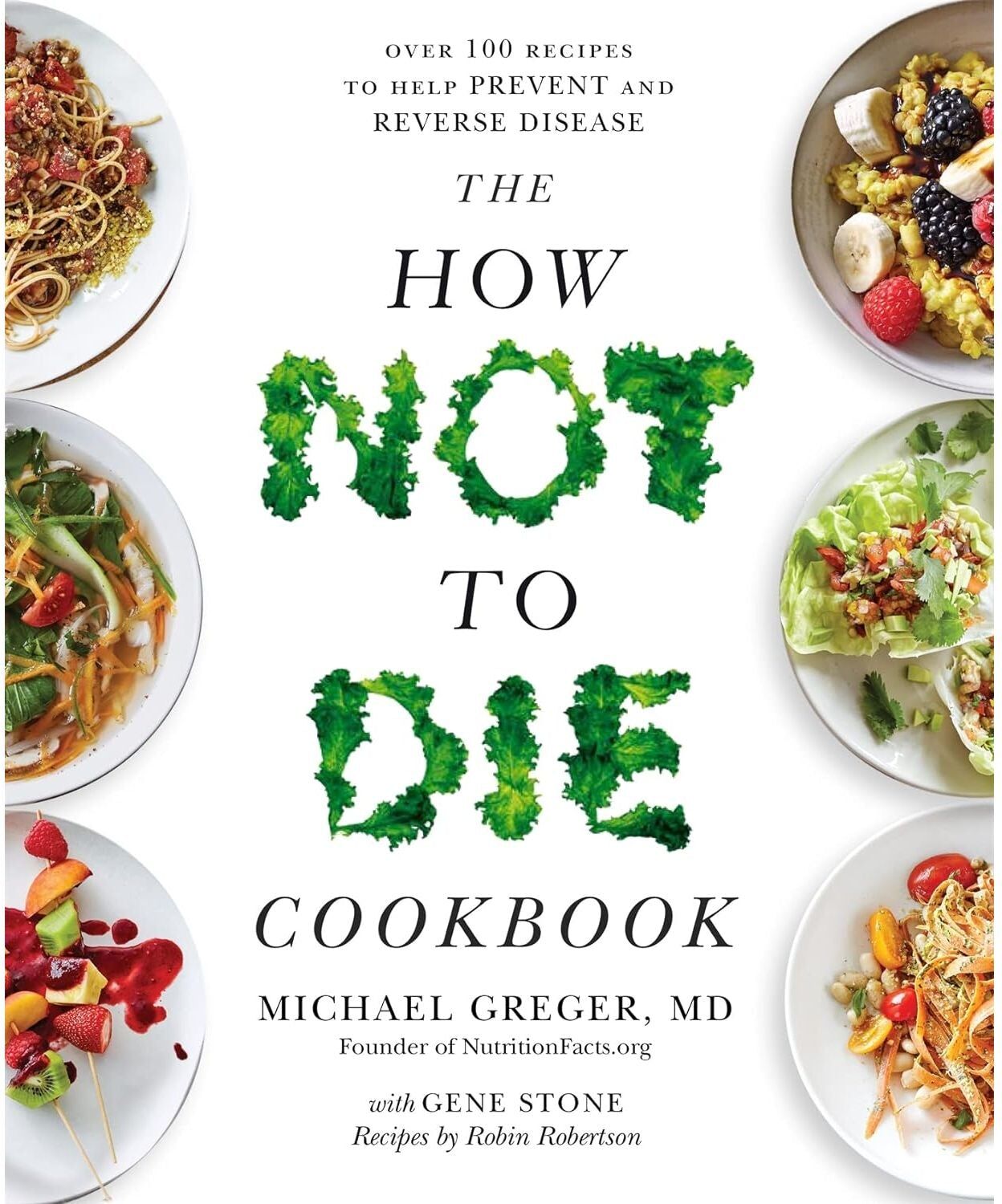
Pan Macmillan The How Not to Die Cookbook: Over 100 Recipes to Help Prevent and Reverse DiseaseFrom the author of the global bestseller How Not To Die comes The How Not To Die Cookbook – a lavish, beautifully illustrated collection of delicious recipes based on the groundbreaking nutritional science of the original book.Dr Michael Greger, founder of the wildly popular website NutritionFacts, takes his comprehensive, lifesaving science into the kitchen. Why suffer from disease and ill health when the right food is proven to keep you healthy, and without the side effects of drugs? We can avoid heart disease, cancer and our other biggest killers if we use food as medicine, and the How Not To Die Cookbook offers a sustainable and delicious guide to preparing and eating the foods that will prevent and reverse fatal diseases.Featuring over 100 easy-to-follow, beautifully photographed plant-based recipes, with plenty of recipes suitable for vegetarians and vegans, the How Not To Die Cookbook merges cutting-edge science with everyday ingredients from the supermarket to help you and your family eat your way to better health and a longer life.10,49 £*Shipping: 2,99 £Secure redirect to the provider
-
How can I clone an NVMe drive to another NVMe drive?
To clone an NVMe drive to another NVMe drive, you can use specialized cloning software such as Acronis True Image, EaseUS Todo Backup, or Macrium Reflect. First, install the cloning software and connect both NVMe drives to your computer. Then, use the software to select the source NVMe drive and the destination NVMe drive, and start the cloning process. Once the cloning is complete, you can swap out the old NVMe drive with the new one, and your system should boot up with all the data and settings transferred over. **
-
How can one move files from drive C to drive E?
To move files from drive C to drive E, you can simply drag and drop the files from one drive to the other using File Explorer. Alternatively, you can copy the files from drive C, navigate to drive E, and then paste the files into the desired location. Another option is to use the cut and paste function to move the files from drive C to drive E. Just make sure that both drives are connected and accessible on your computer. **
-
How to calculate the belt drive?
To calculate the belt drive, you will need to know the power transmitted, the speed of the driver and driven pulleys, and the center distance between the pulleys. Use the formula: P = (T1-T2) * V, where P is the power transmitted, T1 and T2 are the tensions in the tight and slack sides of the belt, and V is the velocity of the belt. You can then calculate the tensions in the belt using the formula: T = (P * 1000) / V, where T is the tension in the belt and P is the power transmitted. Finally, you can calculate the center distance between the pulleys using the formula: C = 2L + (D1 + D2)/2, where C is the center distance, L is the distance between the pulley axes, and D1 and D2 are the diameters of the driver and driven pulleys. **
-
Do people forget how to drive?
Yes, people can forget how to drive if they do not practice regularly. Driving is a skill that requires practice and muscle memory, so if someone goes a long time without driving, they may become rusty and forget some of the finer points of operating a vehicle. Additionally, changes in physical or cognitive abilities as people age can also impact their ability to drive safely. It's important for individuals to regularly practice and stay up to date on driving skills to maintain their ability to drive safely. **
* All prices are inclusive of VAT and, if applicable, plus shipping costs. The offer information is based on the details provided by the respective shop and is updated through automated processes. Real-time updates do not occur, so deviations can occur in individual cases. ** Note: Parts of this content were created by AI.