Buy deviled.com ?
We are moving the project
deviled.com .
Are you interested in purchasing the domain
deviled.com ?
domain@kv-gmbh.de · 0541-91531010
Buy deviled.com ?
Can you explain how ball bearings reduce energy loss?
Ball bearings reduce energy loss by minimizing friction between moving parts. The smooth, round surfaces of the ball bearings allow for efficient rotation, reducing the amount of force needed to move the parts. This results in less energy being wasted as heat due to friction, ultimately improving the overall efficiency of the system. Additionally, ball bearings help distribute the load evenly, further reducing friction and energy loss. **
Can you explain how ball bearings reduce energy dissipation?
Ball bearings reduce energy dissipation by reducing friction between moving parts. They allow for smooth rotation by separating the surfaces in contact, which minimizes the amount of energy lost as heat due to friction. This results in more efficient operation of machinery and equipment, as less energy is required to overcome friction and keep the parts moving. Overall, ball bearings help to conserve energy and improve the performance and longevity of mechanical systems. **
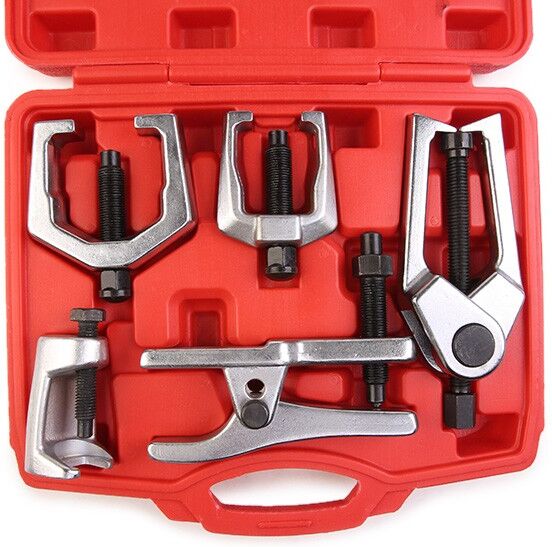
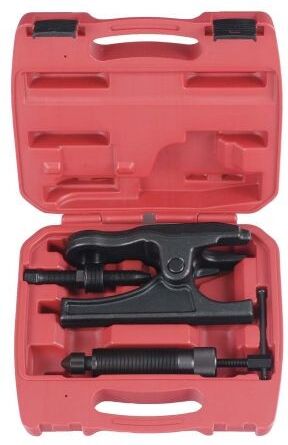
Similar search terms for ENERGY-NE00629-Ejector-ball
Top-Angebote
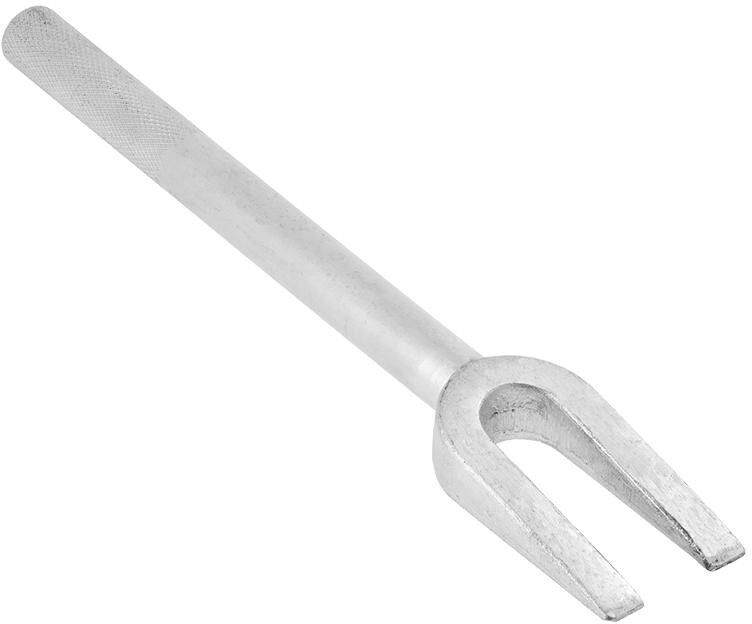
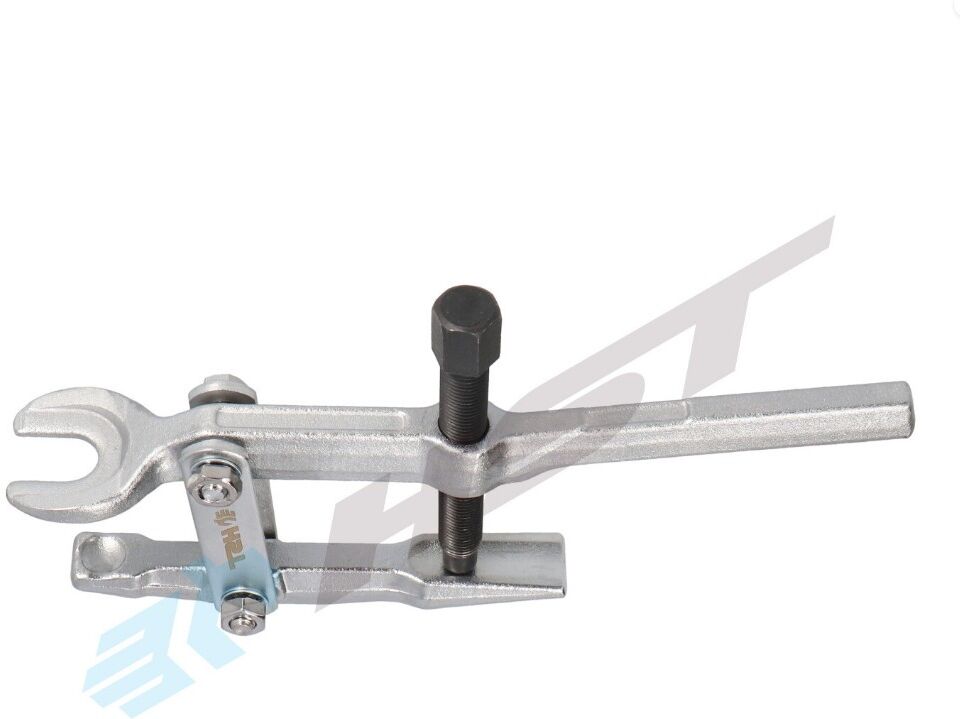
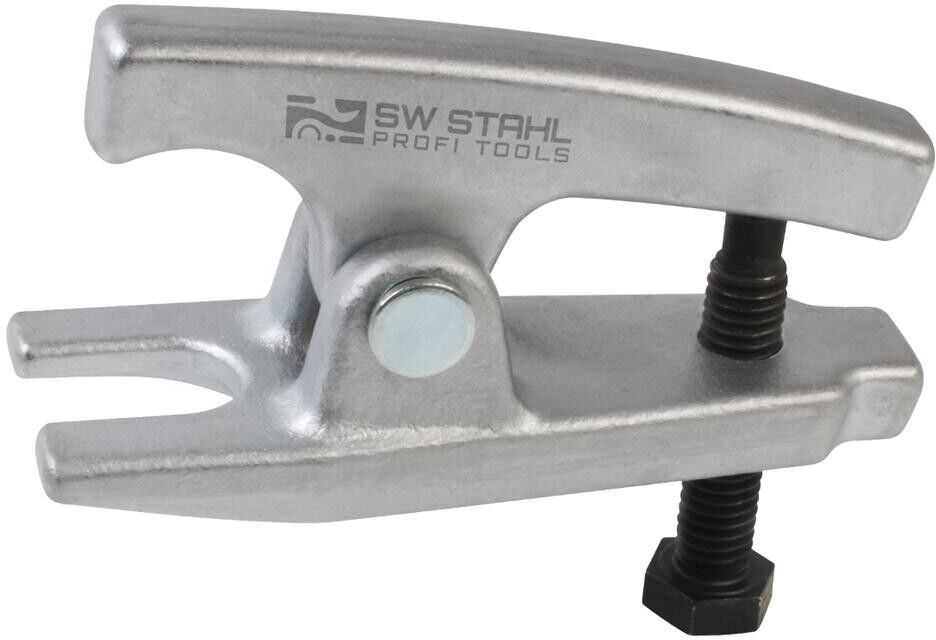
Products related to ENERGY-NE00629-Ejector-ball:
-
How does the energy transformation occur in the ball?
When a ball is thrown into the air, the initial energy input comes from the person throwing it. This potential energy is then converted into kinetic energy as the ball moves upwards. At the highest point of its trajectory, the kinetic energy is converted back into potential energy. As the ball falls back down, the potential energy is once again converted into kinetic energy. This continuous transformation between potential and kinetic energy allows the ball to move through the air. **
-
How do you calculate the energy of a falling ball?
To calculate the energy of a falling ball, you can use the formula for gravitational potential energy: PE = mgh, where m is the mass of the ball, g is the acceleration due to gravity (approximately 9.81 m/s^2 on the surface of the Earth), and h is the height from which the ball falls. You can also calculate the kinetic energy of the falling ball using the formula KE = 0.5mv^2, where m is the mass of the ball and v is its velocity. The total energy of the falling ball is the sum of its potential and kinetic energy. **
-
Does a ball held in the air have potential energy?
Yes, a ball held in the air does have potential energy. Potential energy is the energy an object has due to its position or state. When the ball is held in the air, it has the potential to fall and do work due to its position above the ground. This potential energy can be converted into kinetic energy when the ball is released and falls to the ground. **
-
What is the kinetic and potential energy of a bouncing ball?
When a ball is at the highest point of its bounce, it has maximum potential energy because it is at its highest position relative to the ground. As the ball falls, its potential energy is converted into kinetic energy, reaching its maximum at the lowest point of the bounce. At this point, the ball has the most kinetic energy because it is moving at its fastest speed. As the ball bounces back up, its kinetic energy is converted back into potential energy, and the cycle continues. **

Does a ball rolling at a constant speed have kinetic energy?
Yes, a ball rolling at a constant speed does have kinetic energy. Kinetic energy is the energy an object possesses due to its motion, and it is directly related to the object's mass and velocity. Since the ball is in motion, it has kinetic energy even if it is moving at a constant speed. **
Why does a ball lose height and energy upon further impact?
When a ball impacts a surface, it loses height and energy due to the conversion of kinetic energy into other forms of energy, such as heat and sound. During the impact, some of the ball's kinetic energy is transferred to the surface as it deforms and absorbs the energy. Additionally, air resistance and friction also contribute to the loss of height and energy as the ball moves through the air and interacts with the surface. Overall, the combination of these factors results in the ball losing height and energy upon further impact. **
Top-Angebote
Products related to ENERGY-NE00629-Ejector-ball:
-
Can you explain how ball bearings reduce energy loss?
Ball bearings reduce energy loss by minimizing friction between moving parts. The smooth, round surfaces of the ball bearings allow for efficient rotation, reducing the amount of force needed to move the parts. This results in less energy being wasted as heat due to friction, ultimately improving the overall efficiency of the system. Additionally, ball bearings help distribute the load evenly, further reducing friction and energy loss. **
-
Can you explain how ball bearings reduce energy dissipation?
Ball bearings reduce energy dissipation by reducing friction between moving parts. They allow for smooth rotation by separating the surfaces in contact, which minimizes the amount of energy lost as heat due to friction. This results in more efficient operation of machinery and equipment, as less energy is required to overcome friction and keep the parts moving. Overall, ball bearings help to conserve energy and improve the performance and longevity of mechanical systems. **
-
How does the energy transformation occur in the ball?
When a ball is thrown into the air, the initial energy input comes from the person throwing it. This potential energy is then converted into kinetic energy as the ball moves upwards. At the highest point of its trajectory, the kinetic energy is converted back into potential energy. As the ball falls back down, the potential energy is once again converted into kinetic energy. This continuous transformation between potential and kinetic energy allows the ball to move through the air. **
-
How do you calculate the energy of a falling ball?
To calculate the energy of a falling ball, you can use the formula for gravitational potential energy: PE = mgh, where m is the mass of the ball, g is the acceleration due to gravity (approximately 9.81 m/s^2 on the surface of the Earth), and h is the height from which the ball falls. You can also calculate the kinetic energy of the falling ball using the formula KE = 0.5mv^2, where m is the mass of the ball and v is its velocity. The total energy of the falling ball is the sum of its potential and kinetic energy. **
Similar search terms for ENERGY-NE00629-Ejector-ball
-
Does a ball held in the air have potential energy?
Yes, a ball held in the air does have potential energy. Potential energy is the energy an object has due to its position or state. When the ball is held in the air, it has the potential to fall and do work due to its position above the ground. This potential energy can be converted into kinetic energy when the ball is released and falls to the ground. **
-
What is the kinetic and potential energy of a bouncing ball?
When a ball is at the highest point of its bounce, it has maximum potential energy because it is at its highest position relative to the ground. As the ball falls, its potential energy is converted into kinetic energy, reaching its maximum at the lowest point of the bounce. At this point, the ball has the most kinetic energy because it is moving at its fastest speed. As the ball bounces back up, its kinetic energy is converted back into potential energy, and the cycle continues. **
-
Does a ball rolling at a constant speed have kinetic energy?
Yes, a ball rolling at a constant speed does have kinetic energy. Kinetic energy is the energy an object possesses due to its motion, and it is directly related to the object's mass and velocity. Since the ball is in motion, it has kinetic energy even if it is moving at a constant speed. **
-
Why does a ball lose height and energy upon further impact?
When a ball impacts a surface, it loses height and energy due to the conversion of kinetic energy into other forms of energy, such as heat and sound. During the impact, some of the ball's kinetic energy is transferred to the surface as it deforms and absorbs the energy. Additionally, air resistance and friction also contribute to the loss of height and energy as the ball moves through the air and interacts with the surface. Overall, the combination of these factors results in the ball losing height and energy upon further impact. **
* All prices are inclusive of VAT and, if applicable, plus shipping costs. The offer information is based on the details provided by the respective shop and is updated through automated processes. Real-time updates do not occur, so deviations can occur in individual cases. ** Note: Parts of this content were created by AI.