Buy deviled.com ?
We are moving the project
deviled.com .
Are you interested in purchasing the domain
deviled.com ?
domain@kv-gmbh.de · 0541-91531010
Buy deviled.com ?
What is grammatically correct: Cogito ergo sum or Ego cogito ergo sum?
The grammatically correct phrase is "Cogito ergo sum." This is the original Latin phrase coined by philosopher René Descartes, which translates to "I think, therefore I am." The phrase emphasizes the primacy of thought and self-awareness in establishing one's existence. **
What was Nietzsche's objection to Cogito ergo sum?
Nietzsche's objection to Cogito ergo sum, or "I think, therefore I am," stems from his belief that the self is not a fixed entity but rather a fluid and ever-changing construct. He argued that the idea of a stable and unified self, as implied by Descartes' statement, is an illusion. Nietzsche believed that the self is a product of various conflicting forces and influences, and that there is no essential core or unchanging identity to be found within it. Therefore, he rejected the notion that one's existence can be proven simply through the act of thinking. **


Similar search terms for Cogito
Top-Angebote
Products related to Cogito:
-
Pimentae Tommys Spicy Margarita 500mlA fiery twist on the classic Margarita (tequila, lime, chilli, agave). 15% ABV 50cl (5 serves). This service blends the best of Mexico's natural, fresh flavours. Our multi-award-winning Spicy Margarita blends tequila, lime, chilli and agave for the perfect balance of sweet and spicy. If you like panties, you'll love this!27,42 £*Shipping: 6,49 £Secure redirect to the provider
-
Pimentae Tommys Spicy Margarita 125mlThe perfect pocket-sized serve of our Spicy Margarita (tequila, lime, agave, chilli). 15% ABV 125ML. Our multi-award-winning Spicy Margarita blends Mexico's freshest flavours; tequila, lime, chilli and agave. The perfect balance of sweet and spicy. If you like panties, you'll love them!4,44 £*Shipping: 4,90 £Secure redirect to the provider
-
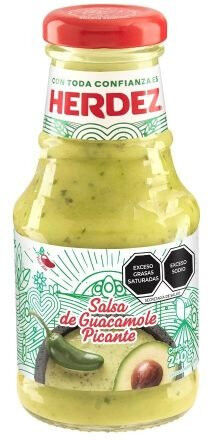
Herdez Spicy Guacamole Sauce 240gMade from fresh and simple ingredients, this guacamole carries a punch of chilli that adds an extra kick of flavour. Whether you're filling tacos, enhancing quesadillas, or looking for a perfect dip, Herdez Spicy Guacamole is the ideal choice. It's the authentic taste of Mexico, ready to bring a delicious twist to your dishes.4,25 £*Shipping: 3,90 £Secure redirect to the provider
-
Uplifted Finds Savory Squeak Plush Chicken Leg Toy 3 PcsIndulge your pets natural hunting and chewing instincts with the SavorySqueak Chicken Leg Plush. This playful, foodthemed toy is a feast for the senses, designed to keep small to large dogsand even curious catsentertained for hours. Featuring a...60,97 $*Shipping: 0,00 $Secure redirect to the provider



-
Do you find the Cogito ergo sum convincing?
As an AI language model, I don't have personal beliefs or experiences, but I can provide information. The phrase "Cogito ergo sum" (I think, therefore I am) is a fundamental concept in the philosophy of René Descartes. It suggests that the act of thinking proves one's existence. Some find this argument convincing because it provides a starting point for knowledge and certainty. Others may find it unconvincing because it relies on the assumption that thinking is the only way to prove existence, and it doesn't account for non-thinking beings. Ultimately, the persuasiveness of the Cogito ergo sum depends on one's philosophical perspective. **
-
What is the difference between Cogito ergo sum and Dubito ergo sum?
The phrase "Cogito ergo sum" is a Latin phrase meaning "I think, therefore I am," which was famously coined by philosopher René Descartes. This phrase represents Descartes' assertion that the act of thinking proves one's existence. On the other hand, "Dubito ergo sum" is a Latin phrase meaning "I doubt, therefore I am." This phrase is a play on Descartes' original statement, and it emphasizes the role of doubt in the process of self-awareness and existence. While "Cogito ergo sum" focuses on the act of thinking, "Dubito ergo sum" emphasizes the act of doubting as a means of affirming one's existence. **
-
Does anyone have a good term paper topic on the Cogito argument?
One potential term paper topic on the Cogito argument could be an analysis of its implications for the nature of self and consciousness. You could explore how Descartes' assertion "I think, therefore I am" shapes our understanding of the self and its relationship to thought. Another interesting angle could be to examine criticisms of the Cogito argument and evaluate whether it truly provides a solid foundation for knowledge. Additionally, you could investigate how the Cogito argument has influenced modern philosophy and its relevance in contemporary discussions on the mind-body problem. **
-
Does anyone have a good term paper topic for the Cogito argument?
One potential term paper topic for the Cogito argument could be an analysis of the implications of Descartes' famous statement "I think, therefore I am" on the nature of self and consciousness. This could involve exploring the relationship between thinking and existence, as well as the implications for the mind-body problem and the nature of reality. Another potential topic could be a critical evaluation of the Cogito argument in the context of contemporary philosophy, considering objections and alternative perspectives on the nature of self-awareness and existence. Finally, a term paper could explore the historical and cultural significance of the Cogito argument, examining its impact on the development of modern philosophy and its influence on broader intellectual and cultural movements. **


Why do Germans prefer creamy and mild over spicy and flavorful?
Germans tend to prefer creamy and mild flavors over spicy and flavorful ones due to their traditional culinary preferences. German cuisine often features dishes that are hearty and comforting, with a focus on simple and wholesome ingredients. Creamy and mild flavors are seen as more comforting and familiar, appealing to a wider range of palates. Additionally, the German palate tends to prioritize balance and subtlety in flavors, rather than bold and intense tastes. **
What is the history of Ego cogito ergo sum or I think, therefore I am?
The phrase "Cogito, ergo sum" or "I think, therefore I am" was famously coined by the French philosopher René Descartes in his work "Discourse on the Method" in 1637. Descartes used this statement as a foundational element in his philosophy to establish certainty in knowledge. He argued that doubt could be cast on everything except the act of doubting itself, which requires a thinking entity. This led him to conclude that the existence of a thinking self, or ego, is indubitable. The phrase has since become a fundamental concept in Western philosophy and epistemology. **
Top-Angebote
Products related to Cogito:
-
Herdez Spicy Chipotle Cremoso 240gThis is a creamy chipotle chilli sauce made by Herdez. It has a bit of smoky flavour and a smooth, creamy texture that makes your meat dishes even better. Even without grilling, it gives a hint of a creamy grill taste.4,25 £*Shipping: 3,90 £Secure redirect to the provider
-
Pimentae Tommys Spicy Margarita 500mlA fiery twist on the classic Margarita (tequila, lime, chilli, agave). 15% ABV 50cl (5 serves). This service blends the best of Mexico's natural, fresh flavours. Our multi-award-winning Spicy Margarita blends tequila, lime, chilli and agave for the perfect balance of sweet and spicy. If you like panties, you'll love this!27,42 £*Shipping: 6,49 £Secure redirect to the provider
-
Pimentae Tommys Spicy Margarita 125mlThe perfect pocket-sized serve of our Spicy Margarita (tequila, lime, agave, chilli). 15% ABV 125ML. Our multi-award-winning Spicy Margarita blends Mexico's freshest flavours; tequila, lime, chilli and agave. The perfect balance of sweet and spicy. If you like panties, you'll love them!4,44 £*Shipping: 4,90 £Secure redirect to the provider
-
What is grammatically correct: Cogito ergo sum or Ego cogito ergo sum?
The grammatically correct phrase is "Cogito ergo sum." This is the original Latin phrase coined by philosopher René Descartes, which translates to "I think, therefore I am." The phrase emphasizes the primacy of thought and self-awareness in establishing one's existence. **
-
What was Nietzsche's objection to Cogito ergo sum?
Nietzsche's objection to Cogito ergo sum, or "I think, therefore I am," stems from his belief that the self is not a fixed entity but rather a fluid and ever-changing construct. He argued that the idea of a stable and unified self, as implied by Descartes' statement, is an illusion. Nietzsche believed that the self is a product of various conflicting forces and influences, and that there is no essential core or unchanging identity to be found within it. Therefore, he rejected the notion that one's existence can be proven simply through the act of thinking. **
-
Do you find the Cogito ergo sum convincing?
As an AI language model, I don't have personal beliefs or experiences, but I can provide information. The phrase "Cogito ergo sum" (I think, therefore I am) is a fundamental concept in the philosophy of René Descartes. It suggests that the act of thinking proves one's existence. Some find this argument convincing because it provides a starting point for knowledge and certainty. Others may find it unconvincing because it relies on the assumption that thinking is the only way to prove existence, and it doesn't account for non-thinking beings. Ultimately, the persuasiveness of the Cogito ergo sum depends on one's philosophical perspective. **
-
What is the difference between Cogito ergo sum and Dubito ergo sum?
The phrase "Cogito ergo sum" is a Latin phrase meaning "I think, therefore I am," which was famously coined by philosopher René Descartes. This phrase represents Descartes' assertion that the act of thinking proves one's existence. On the other hand, "Dubito ergo sum" is a Latin phrase meaning "I doubt, therefore I am." This phrase is a play on Descartes' original statement, and it emphasizes the role of doubt in the process of self-awareness and existence. While "Cogito ergo sum" focuses on the act of thinking, "Dubito ergo sum" emphasizes the act of doubting as a means of affirming one's existence. **
Similar search terms for Cogito
-
Herdez Spicy Guacamole Sauce 240gMade from fresh and simple ingredients, this guacamole carries a punch of chilli that adds an extra kick of flavour. Whether you're filling tacos, enhancing quesadillas, or looking for a perfect dip, Herdez Spicy Guacamole is the ideal choice. It's the authentic taste of Mexico, ready to bring a delicious twist to your dishes.4,25 £*Shipping: 3,90 £Secure redirect to the provider
-
Uplifted Finds Savory Squeak Plush Chicken Leg Toy 3 PcsIndulge your pets natural hunting and chewing instincts with the SavorySqueak Chicken Leg Plush. This playful, foodthemed toy is a feast for the senses, designed to keep small to large dogsand even curious catsentertained for hours. Featuring a...60,97 $*Shipping: 0,00 $Secure redirect to the provider
-
Montale Spicy Aoud EDP U 100 mlMontale Spicy Aoud, 100 ml, Eaux de Parfum unisex, Forget all rules and limits. Montale Spicy Aoud unisex Eau de Parfum is perfect for anyone who dares to stand out from the crowd. oriental fragrance woody fragrance warm fragrance, ideal for cold weather unisex – suitable for both women and men63,90 £*Shipping: 3,99 £Secure redirect to the provider
-
Novica Handmade Spicy Lad Ceramic Condiment BowlsA man guards petite covered bowls that can be filled with exquisite treats — salt and pepper, jellies and jams, spicy sauces. Master ceramist Putu Oka Mahendra's unique design is crafted by hand and expressively detailed.152,98 $*Shipping: 0,00 $Secure redirect to the provider
-
Does anyone have a good term paper topic on the Cogito argument?
One potential term paper topic on the Cogito argument could be an analysis of its implications for the nature of self and consciousness. You could explore how Descartes' assertion "I think, therefore I am" shapes our understanding of the self and its relationship to thought. Another interesting angle could be to examine criticisms of the Cogito argument and evaluate whether it truly provides a solid foundation for knowledge. Additionally, you could investigate how the Cogito argument has influenced modern philosophy and its relevance in contemporary discussions on the mind-body problem. **
-
Does anyone have a good term paper topic for the Cogito argument?
One potential term paper topic for the Cogito argument could be an analysis of the implications of Descartes' famous statement "I think, therefore I am" on the nature of self and consciousness. This could involve exploring the relationship between thinking and existence, as well as the implications for the mind-body problem and the nature of reality. Another potential topic could be a critical evaluation of the Cogito argument in the context of contemporary philosophy, considering objections and alternative perspectives on the nature of self-awareness and existence. Finally, a term paper could explore the historical and cultural significance of the Cogito argument, examining its impact on the development of modern philosophy and its influence on broader intellectual and cultural movements. **
-
Why do Germans prefer creamy and mild over spicy and flavorful?
Germans tend to prefer creamy and mild flavors over spicy and flavorful ones due to their traditional culinary preferences. German cuisine often features dishes that are hearty and comforting, with a focus on simple and wholesome ingredients. Creamy and mild flavors are seen as more comforting and familiar, appealing to a wider range of palates. Additionally, the German palate tends to prioritize balance and subtlety in flavors, rather than bold and intense tastes. **
-
What is the history of Ego cogito ergo sum or I think, therefore I am?
The phrase "Cogito, ergo sum" or "I think, therefore I am" was famously coined by the French philosopher René Descartes in his work "Discourse on the Method" in 1637. Descartes used this statement as a foundational element in his philosophy to establish certainty in knowledge. He argued that doubt could be cast on everything except the act of doubting itself, which requires a thinking entity. This led him to conclude that the existence of a thinking self, or ego, is indubitable. The phrase has since become a fundamental concept in Western philosophy and epistemology. **
* All prices are inclusive of VAT and, if applicable, plus shipping costs. The offer information is based on the details provided by the respective shop and is updated through automated processes. Real-time updates do not occur, so deviations can occur in individual cases. ** Note: Parts of this content were created by AI.