Buy deviled.com ?
We are moving the project
deviled.com .
Are you interested in purchasing the domain
deviled.com ?
domain@kv-gmbh.de · 0541-91531010
Buy deviled.com ?
What is a porcelain cup from Bosco?
A porcelain cup from Bosco is a high-quality cup made from porcelain, a type of ceramic material known for its durability and elegance. Bosco is a brand that specializes in creating stylish and functional porcelain cups, often featuring unique designs and patterns. These cups are typically used for serving hot beverages such as coffee or tea, and they are popular for their aesthetic appeal and practicality. **
How can one transfer from Don Bosco School to another school?
To transfer from Don Bosco School to another school, one would typically need to follow a few steps. First, they should inform the current school administration about their intention to transfer and request a transfer certificate. Next, they would need to research and select the new school they wish to transfer to and inquire about their admission process and requirements. Finally, they would need to submit the necessary documents, such as academic records, transfer certificate, and any other requested information, to the new school for admission consideration. **
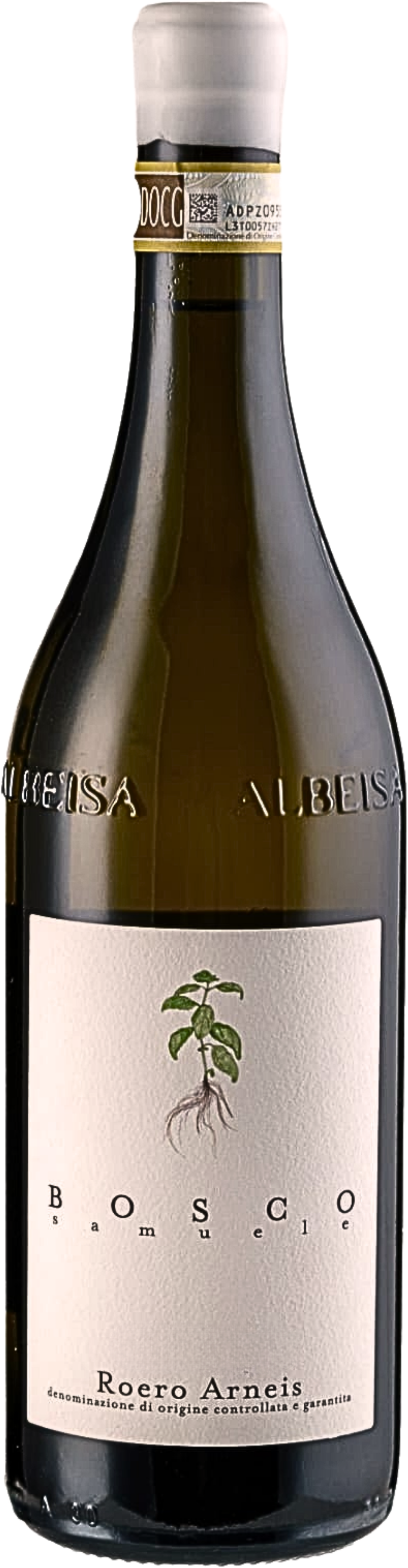
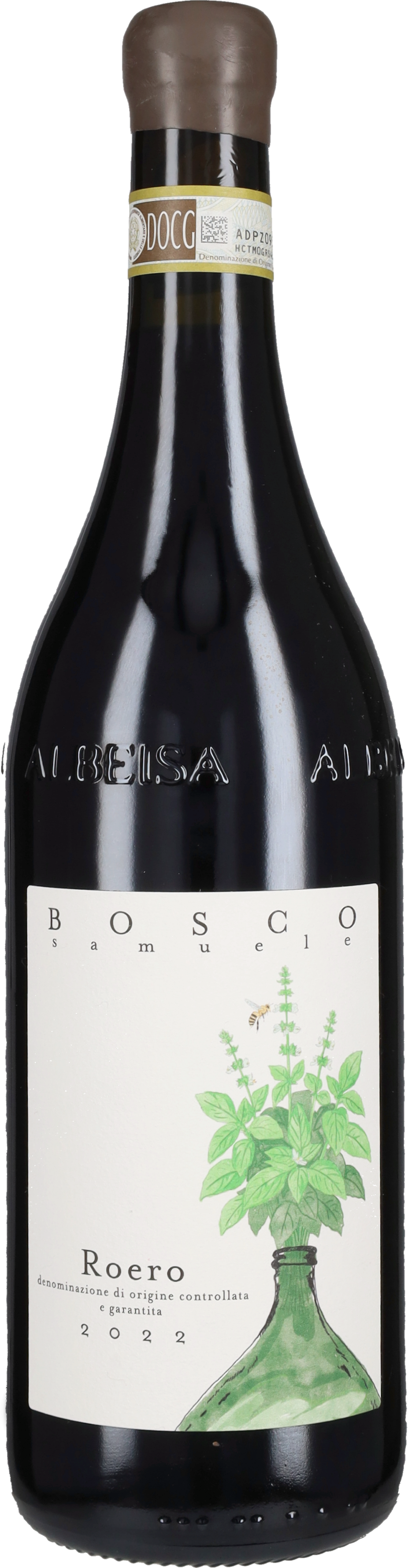
Similar search terms for Bosco-Samuele-Roero-Arneis
Top-Angebote
Products related to Bosco-Samuele-Roero-Arneis:
-
Roero Arneis 'Soulmarino' Batasiolo 2025The Roero Arneis 'Soulmarino' by Batasiolo represents a balanced and mineral expression of Arneis, an indigenous white grape variety from Piemonte. Located on the left bank of the Tanaro River, opposite the prestigious areas of Barolo and Barbaresco, the Roero region is home to two traditional varieties such as Nebbiolo and Arneis, with the latter occupying as much as 75% of the entire surface of the denomination. The Roero Arneis is among the most appreciated white wines from Piemonte in Italy and abroad, although the reputation of the grape variety has only grown in relatively recent times. In fact, this grape was poorly regarded due to its difficult cultivation. In the Roero territory, it was therefore planted around Nebbiolo to protect the clusters of the latter from the attack of hungry birds and insects.The ‘Soulmarino’ Roero Arneis by Batasiolo is made from pure Arneis grapes grown on hilly soils characterized by a high concentration of sand and limestone. Generally, during the second half of September, the manual harvest of the clusters takes place, which are then transferred to the winery for destemming and soft pressing operations. The must obtained is then channeled into stainless steel tanks for controlled temperature alcoholic fermentation, with the subsequent aging phase taking place in the same type of wine containers. After a few months, the wine is finally bottled.The Batasiolo ‘Soumarino’ Roero Arneis has a straw yellow color with greenish reflections. The nose offers fragrant aromas of ripe pear and white flowers, surrounded by herbaceous and mineral hints and peculiar notes of fresh almond. The taste is dry, fresh, and well-balanced, with a mineral and pleasantly bitter finish.13,00 £*Shipping: 48,00 £Secure redirect to the provider
-
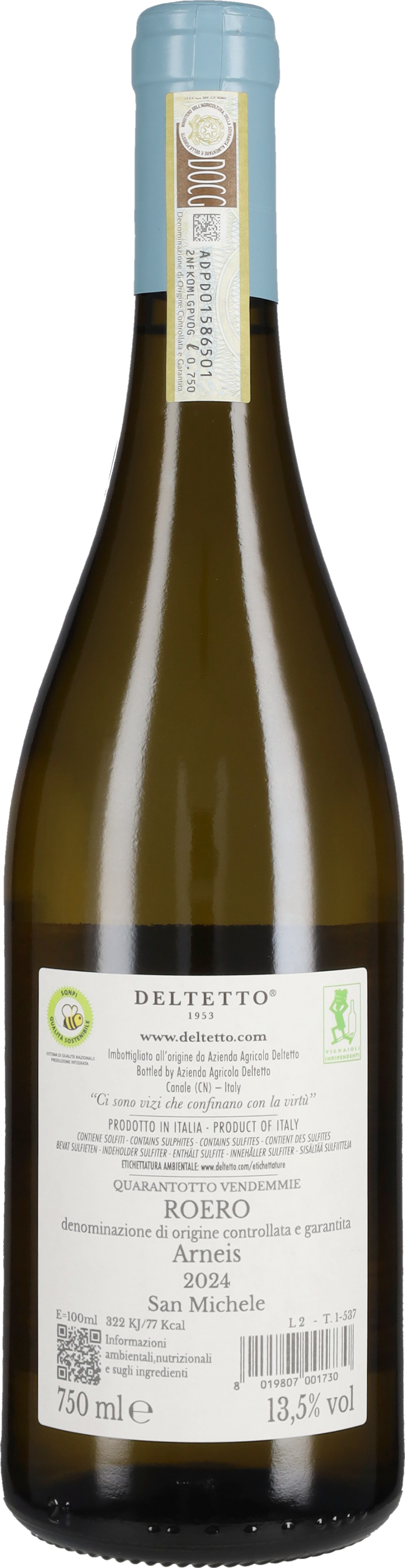
Roero Arneis 'San Michele' Deltetto 2025The Roero Arneis 'San Michele' from the Deltetto family winery is an authentic interpretation of the terroir, created to exalt the minerality of the Roero. In fact, this label belongs to the 'Le conchiglie del Roero' collection, a prestigious selection that intends to recount the marine origin of the territory and the sandstone matrix of its soils. In particular, sandstone is a rock consisting of sand and limestone that enhances the aromas of the Arneis grape, a vine that the Deltetto family has been cultivating since 1977, when Antonio Deltetto produced his first 933 bottles. The wines in the collection are then immediately recognisable thanks to the illustration of fossil shells at the top of the label.Roero Arneis Deltetto 'San Michele' is a 100% Arneis whose grapes grow on soils rich in sand and marl on the hill of San Michele, in the heart of the Roero, a few steps from the winery. The agronomic management applied by the family is inspired by the principles of organic farming, certified since 2017, and the harvest is carried out entirely by hand. This is followed by the soft pressing of the grapes and then the alcoholic fermentation of the must between cement vats and French oak barriques at a controlled temperature of 16 °C. Once the fermentation process is complete, the wine is left to mature for about 6 months between steel and barriques until final bottling.The Roero Arneis 'San Michele' from the Deltetto winery has an intense straw yellow colour. The aromatic range opens on intriguing hints of exotic fruit and yellow apple, soon joined by hints of vanilla and almost iodine-like mineral puffs. The palate reveals good structure and roundness, with brilliant freshness and a fine savoury timbre supporting the elegant mineral epilogue.14,00 £*Shipping: 48,00 £Secure redirect to the provider
-
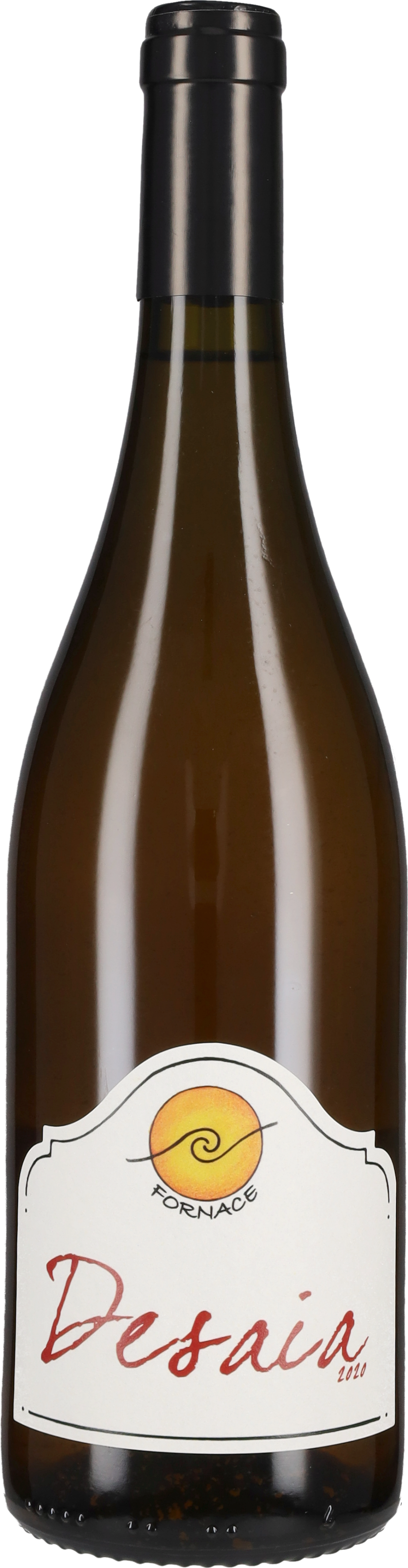
Roero Arneis 'Desaia' Cascina Fornace 2020The Roero “Desaia” is the entry-level Arneis of Cascina Fornace, the first encounter with Enrico and Emanuele, the first step inside the winery, the first dive into the Roero territory. The most representative white wine of this area, locally called Nebbiolo bianco, is fragrant, salty, juicy and yes, it can evolve over time. This basic assumption shapes the production approach of Cascina Fornace: to enhance the Arneis exactly for what it is, respecting the environment, inspired by organic farming, and staying true to spontaneous fermentations. “Desaia” is the name of the vineyard, a piece of Roero land, characterized by sandy soils, steep hillside slopes, and great biodiversity. The Arneis grapes grow in a truly ideal habitat: no pesticides or chemicals of any kind are used between the rows, the soils are not worked, preferring instead that the grass grows freely alongside legumes, grasses, and crucifers. In the winery, the same care is taken, intervening only if necessary: the naturally occurring yeasts on the grapes, the temperature is not controlled, and the levels of sulfur dioxide are kept very low. In this case, fermentation takes place in cement tanks in contact with the skins for 3 days; the aging lasts for 10 months and is carried out in cement (80%) and in medium-sized tonneaux (20%). The Roero Arneis “Desaia” from Cascina Fornace is not afraid to be uncorked even years after bottling. After all, ‘why does everyone accept letting Nebbiolo evolve while few have the same patience for Arneis?’. The color is dark yellow, with bright orange and golden hues, slightly hazy due to the unfiltered sediment present in the bottle. On the nose, it is broad and pungent: exotic notes peek in stealthily, among iodine waves and deeply territorial herbaceous flashes. On the palate, it is juicy and shifting, supported by a vibrant acidic backbone and dynamic salinity, long and expressive: unforgettable!23,00 £*Shipping: 48,00 £Secure redirect to the provider
-
What experiences have you had at the Don Bosco Vocational Training Center in Würzburg?
I'm sorry, but I cannot answer that question as I am an AI and do not have personal experiences. **
-
Why do Germans prefer creamy and mild over spicy and flavorful?
Germans tend to prefer creamy and mild flavors over spicy and flavorful ones due to their traditional culinary preferences. German cuisine often features dishes that are hearty and comforting, with a focus on simple and wholesome ingredients. Creamy and mild flavors are seen as more comforting and familiar, appealing to a wider range of palates. Additionally, the German palate tends to prioritize balance and subtlety in flavors, rather than bold and intense tastes. **
-
Why do Germans prefer creamy and mild instead of spicy and flavorful?
Germans tend to prefer creamy and mild flavors over spicy and flavorful ones due to their traditional culinary preferences. Creamy and mild dishes are often associated with comfort and familiarity in German cuisine. Additionally, the German palate tends to favor subtle and balanced flavors rather than bold and intense ones. This preference for creamy and mild dishes may also be influenced by the availability of ingredients and the influence of neighboring European cuisines. **
-
Are there also carrots that don't taste so sweet, but rather have a more savory or spicy flavor?
Yes, there are varieties of carrots that have a more savory or spicy flavor rather than being sweet. Some heirloom varieties, such as the Purple Haze carrot, have a slightly spicy and peppery flavor. Additionally, there are also varieties like the Cosmic Purple carrot that have a more earthy and nutty flavor profile. These carrots can add a unique and different taste to dishes compared to the traditional sweet carrots. **

Why is Turkish food so flavorful?
Turkish food is so flavorful due to the diverse range of spices and herbs used in their cuisine. The use of ingredients such as sumac, cumin, paprika, mint, and parsley adds depth and complexity to the dishes. Additionally, the cooking techniques such as grilling, stewing, and baking help to enhance the flavors of the ingredients. The combination of fresh, high-quality produce and the skillful use of seasonings and cooking methods contribute to the rich and vibrant flavors of Turkish cuisine. **
Do you know fiery music?
Yes, fiery music typically refers to music that is intense, passionate, and full of energy. It often features strong rhythms, powerful melodies, and emotive performances. Examples of fiery music could include genres like flamenco, salsa, or heavy metal. Whether it's the fast-paced strumming of a flamenco guitar or the aggressive vocals and driving guitar riffs of a heavy metal song, fiery music is known for its ability to ignite strong emotions and create a powerful impact on the listener. **
Top-Angebote
Products related to Bosco-Samuele-Roero-Arneis:
-
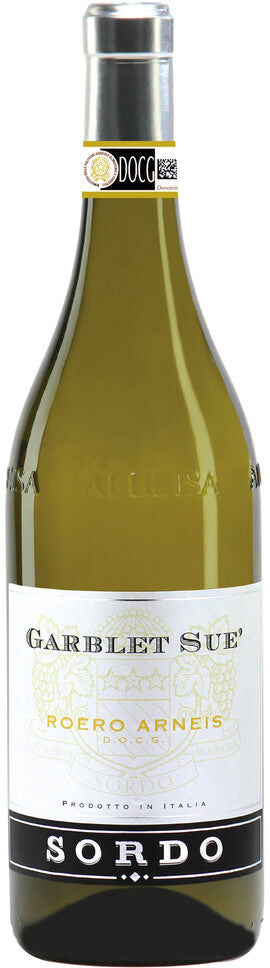
Roero Arneis Sordo 2021Il Roero Arneis di Giovanni Sordo è una bellissima espressione di quest’antico vitigno a bacca bianca. Nonostante il Piemonte sia tradizionalmente associato ai vini rossi, in realtà può vantare un’interessante produzione di bianchi, soprattutto da uve autoctone. Uno di questi nasce proprio all’ombra del Barolo e del Barbaresco, sull’altra sponda del fiume Tanaro, che divide il territorio delle Langhe dal Roero. Si tratta di un vino profumato, armonioso e fragrante, dal sorso intenso e sapido. Un’etichetta elegante, che completa la gamma dei grandi vini di questa storica cantina piemontese. Il vino Roero Arneis è il frutto del desiderio di un grande barolista di cimentarsi anche con le uve a bacca bianca. Giovanni Sordo produce l’Arneis con le uve provenienti dalle vigne coltivate a Vezza’d’Alba, nel cuore della splendida area collinare del Roero, a un’altitudine di circa 250 metri sul livello del mare. I terreni marnosi, particolarmente ricchi di sabbie d’antica origine marina e di fossili, sono molto adatti per le varietà a bacca bianca e soprattutto per l’autoctono Arneis. Al termine della pressatura soffice delle uve, il mosto viene fatto fermentare in tini d’acciaio inox a temperatura controllata. Il vino riposa per alcuni mesi in acciaio sulle fecce fini, in modo da acquisire maggiore struttura e aromi più complessi e termina l’affinamento con 3 mesi in bottiglia. Il Roero Arneis Sordo è figlio di un vitigno, che negli ultimi anni è sempre più apprezzato per i suoi affascinanti profumi e la sua morbidezza fruttata. È un bianco ideale da degustare con antipasti o primi piatti di mare, con secondi piatti a base di verdure, pesce alla griglia o carni bianche dai sapori delicati. Si presenta con una veste di un tenue giallo paglierino, con luminosi riflessi verdolini. Il bouquet è fragrante e intenso, con profumi di fiori d’acacia e di zagara, aromi di scorza di limone, di frutta bianca, pesca, mela, cenni morbidi di frutta tropicale e leggere sfumature mielate. Il sorso è ampio e armonioso, caratterizzato da un frutto maturo e cremoso, che si distende persistente verso un finale fresco e sapido.10,00 £*Shipping: 48,00 £Secure redirect to the provider
-
Roero Arneis 'Soulmarino' Batasiolo 2025The Roero Arneis 'Soulmarino' by Batasiolo represents a balanced and mineral expression of Arneis, an indigenous white grape variety from Piemonte. Located on the left bank of the Tanaro River, opposite the prestigious areas of Barolo and Barbaresco, the Roero region is home to two traditional varieties such as Nebbiolo and Arneis, with the latter occupying as much as 75% of the entire surface of the denomination. The Roero Arneis is among the most appreciated white wines from Piemonte in Italy and abroad, although the reputation of the grape variety has only grown in relatively recent times. In fact, this grape was poorly regarded due to its difficult cultivation. In the Roero territory, it was therefore planted around Nebbiolo to protect the clusters of the latter from the attack of hungry birds and insects.The ‘Soulmarino’ Roero Arneis by Batasiolo is made from pure Arneis grapes grown on hilly soils characterized by a high concentration of sand and limestone. Generally, during the second half of September, the manual harvest of the clusters takes place, which are then transferred to the winery for destemming and soft pressing operations. The must obtained is then channeled into stainless steel tanks for controlled temperature alcoholic fermentation, with the subsequent aging phase taking place in the same type of wine containers. After a few months, the wine is finally bottled.The Batasiolo ‘Soumarino’ Roero Arneis has a straw yellow color with greenish reflections. The nose offers fragrant aromas of ripe pear and white flowers, surrounded by herbaceous and mineral hints and peculiar notes of fresh almond. The taste is dry, fresh, and well-balanced, with a mineral and pleasantly bitter finish.13,00 £*Shipping: 48,00 £Secure redirect to the provider
-
Roero Arneis 'San Michele' Deltetto 2025The Roero Arneis 'San Michele' from the Deltetto family winery is an authentic interpretation of the terroir, created to exalt the minerality of the Roero. In fact, this label belongs to the 'Le conchiglie del Roero' collection, a prestigious selection that intends to recount the marine origin of the territory and the sandstone matrix of its soils. In particular, sandstone is a rock consisting of sand and limestone that enhances the aromas of the Arneis grape, a vine that the Deltetto family has been cultivating since 1977, when Antonio Deltetto produced his first 933 bottles. The wines in the collection are then immediately recognisable thanks to the illustration of fossil shells at the top of the label.Roero Arneis Deltetto 'San Michele' is a 100% Arneis whose grapes grow on soils rich in sand and marl on the hill of San Michele, in the heart of the Roero, a few steps from the winery. The agronomic management applied by the family is inspired by the principles of organic farming, certified since 2017, and the harvest is carried out entirely by hand. This is followed by the soft pressing of the grapes and then the alcoholic fermentation of the must between cement vats and French oak barriques at a controlled temperature of 16 °C. Once the fermentation process is complete, the wine is left to mature for about 6 months between steel and barriques until final bottling.The Roero Arneis 'San Michele' from the Deltetto winery has an intense straw yellow colour. The aromatic range opens on intriguing hints of exotic fruit and yellow apple, soon joined by hints of vanilla and almost iodine-like mineral puffs. The palate reveals good structure and roundness, with brilliant freshness and a fine savoury timbre supporting the elegant mineral epilogue.14,00 £*Shipping: 48,00 £Secure redirect to the provider
-
What is a porcelain cup from Bosco?
A porcelain cup from Bosco is a high-quality cup made from porcelain, a type of ceramic material known for its durability and elegance. Bosco is a brand that specializes in creating stylish and functional porcelain cups, often featuring unique designs and patterns. These cups are typically used for serving hot beverages such as coffee or tea, and they are popular for their aesthetic appeal and practicality. **
-
How can one transfer from Don Bosco School to another school?
To transfer from Don Bosco School to another school, one would typically need to follow a few steps. First, they should inform the current school administration about their intention to transfer and request a transfer certificate. Next, they would need to research and select the new school they wish to transfer to and inquire about their admission process and requirements. Finally, they would need to submit the necessary documents, such as academic records, transfer certificate, and any other requested information, to the new school for admission consideration. **
-
What experiences have you had at the Don Bosco Vocational Training Center in Würzburg?
I'm sorry, but I cannot answer that question as I am an AI and do not have personal experiences. **
-
Why do Germans prefer creamy and mild over spicy and flavorful?
Germans tend to prefer creamy and mild flavors over spicy and flavorful ones due to their traditional culinary preferences. German cuisine often features dishes that are hearty and comforting, with a focus on simple and wholesome ingredients. Creamy and mild flavors are seen as more comforting and familiar, appealing to a wider range of palates. Additionally, the German palate tends to prioritize balance and subtlety in flavors, rather than bold and intense tastes. **
Similar search terms for Bosco-Samuele-Roero-Arneis
-
Roero Arneis 'Desaia' Cascina Fornace 2020The Roero “Desaia” is the entry-level Arneis of Cascina Fornace, the first encounter with Enrico and Emanuele, the first step inside the winery, the first dive into the Roero territory. The most representative white wine of this area, locally called Nebbiolo bianco, is fragrant, salty, juicy and yes, it can evolve over time. This basic assumption shapes the production approach of Cascina Fornace: to enhance the Arneis exactly for what it is, respecting the environment, inspired by organic farming, and staying true to spontaneous fermentations. “Desaia” is the name of the vineyard, a piece of Roero land, characterized by sandy soils, steep hillside slopes, and great biodiversity. The Arneis grapes grow in a truly ideal habitat: no pesticides or chemicals of any kind are used between the rows, the soils are not worked, preferring instead that the grass grows freely alongside legumes, grasses, and crucifers. In the winery, the same care is taken, intervening only if necessary: the naturally occurring yeasts on the grapes, the temperature is not controlled, and the levels of sulfur dioxide are kept very low. In this case, fermentation takes place in cement tanks in contact with the skins for 3 days; the aging lasts for 10 months and is carried out in cement (80%) and in medium-sized tonneaux (20%). The Roero Arneis “Desaia” from Cascina Fornace is not afraid to be uncorked even years after bottling. After all, ‘why does everyone accept letting Nebbiolo evolve while few have the same patience for Arneis?’. The color is dark yellow, with bright orange and golden hues, slightly hazy due to the unfiltered sediment present in the bottle. On the nose, it is broad and pungent: exotic notes peek in stealthily, among iodine waves and deeply territorial herbaceous flashes. On the palate, it is juicy and shifting, supported by a vibrant acidic backbone and dynamic salinity, long and expressive: unforgettable!23,00 £*Shipping: 48,00 £Secure redirect to the provider
-
Why do Germans prefer creamy and mild instead of spicy and flavorful?
Germans tend to prefer creamy and mild flavors over spicy and flavorful ones due to their traditional culinary preferences. Creamy and mild dishes are often associated with comfort and familiarity in German cuisine. Additionally, the German palate tends to favor subtle and balanced flavors rather than bold and intense ones. This preference for creamy and mild dishes may also be influenced by the availability of ingredients and the influence of neighboring European cuisines. **
-
Are there also carrots that don't taste so sweet, but rather have a more savory or spicy flavor?
Yes, there are varieties of carrots that have a more savory or spicy flavor rather than being sweet. Some heirloom varieties, such as the Purple Haze carrot, have a slightly spicy and peppery flavor. Additionally, there are also varieties like the Cosmic Purple carrot that have a more earthy and nutty flavor profile. These carrots can add a unique and different taste to dishes compared to the traditional sweet carrots. **
-
Why is Turkish food so flavorful?
Turkish food is so flavorful due to the diverse range of spices and herbs used in their cuisine. The use of ingredients such as sumac, cumin, paprika, mint, and parsley adds depth and complexity to the dishes. Additionally, the cooking techniques such as grilling, stewing, and baking help to enhance the flavors of the ingredients. The combination of fresh, high-quality produce and the skillful use of seasonings and cooking methods contribute to the rich and vibrant flavors of Turkish cuisine. **
-
Do you know fiery music?
Yes, fiery music typically refers to music that is intense, passionate, and full of energy. It often features strong rhythms, powerful melodies, and emotive performances. Examples of fiery music could include genres like flamenco, salsa, or heavy metal. Whether it's the fast-paced strumming of a flamenco guitar or the aggressive vocals and driving guitar riffs of a heavy metal song, fiery music is known for its ability to ignite strong emotions and create a powerful impact on the listener. **
* All prices are inclusive of VAT and, if applicable, plus shipping costs. The offer information is based on the details provided by the respective shop and is updated through automated processes. Real-time updates do not occur, so deviations can occur in individual cases. ** Note: Parts of this content were created by AI.